
Rishi Apparel’s usual custom knitwear MOQ starts from 100 pieces per style. The workable colour and size breakdown is not decided by one number alone. Yarn purchasing, colour count, knit construction, trims, packaging and the number of sizes all affect the minimum efficient production quantity.
Key points for buyers
- Ask whether the MOQ applies per style, per colour or per yarn.
- Keep the first order focused: fewer colours and shared trims reduce fragmentation.
- Confirm size ratios early so a 100-piece style does not become many tiny production groups.
- Treat the sample as product approval, not as proof that every bulk breakdown is efficient.
What does MOQ mean for custom knitwear?
MOQ is the minimum order quantity a manufacturer can accept for a production configuration. In custom knitwear, “100 pieces” is incomplete unless you know what is being counted. It may mean 100 pieces of one style, while the possible number of colours, yarns and sizes still needs review.
Custom production is different from buying ready stock. Yarn and trims must be sourced, knitting and linking arranged, labels and packing prepared, and the approved sample translated into repeatable bulk instructions. Very small groups can create disproportionate material waste, setup time and quality variation.
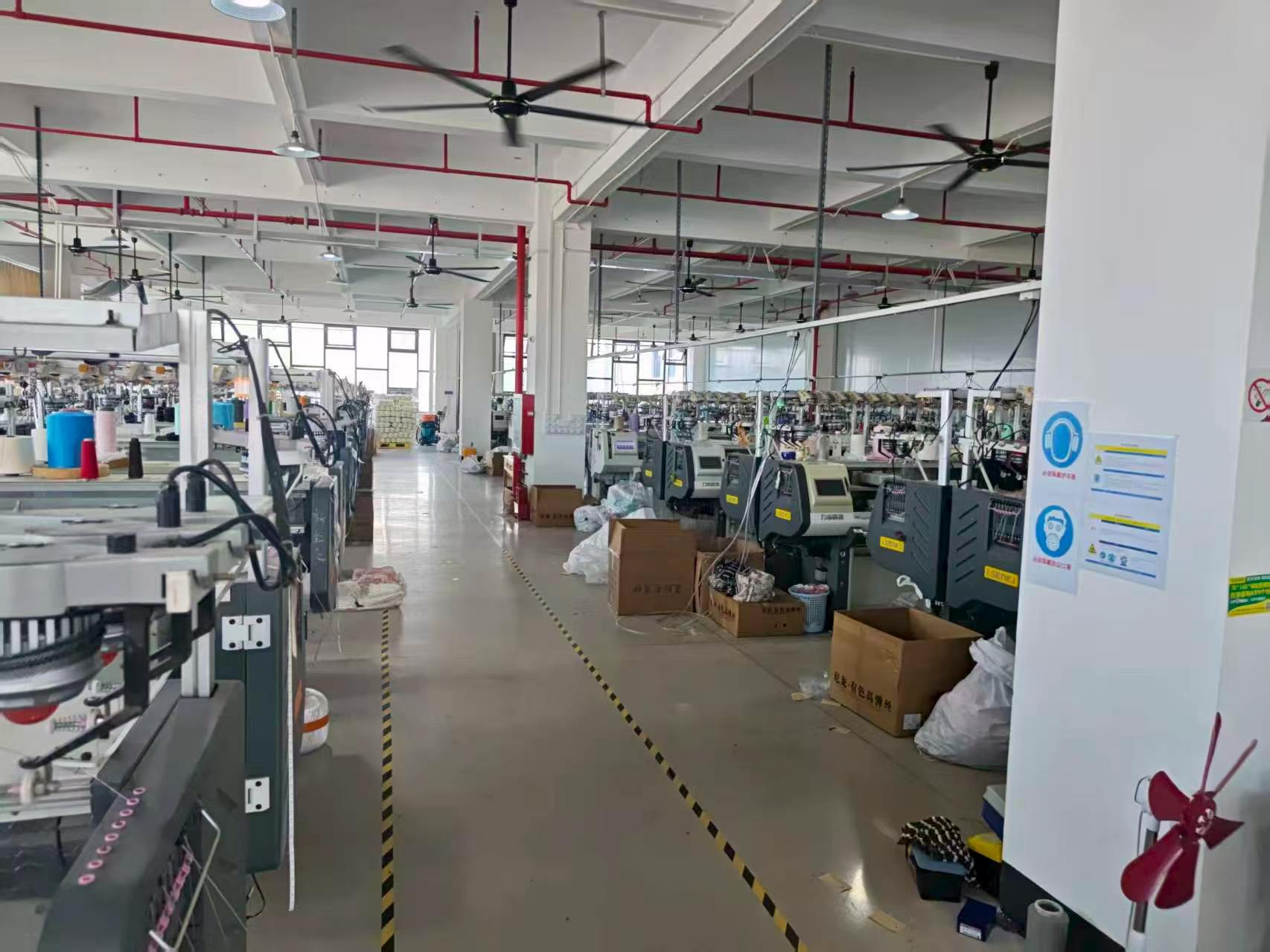
Six factors that affect custom knitwear MOQ
| Factor | Why it matters | What the buyer can do |
|---|---|---|
| Yarn | Suppliers may have purchase or dyeing minimums | Use available yarn directions or share yarn across suitable styles |
| Colours | Each colour creates a separate material and production group | Launch with focused core colours |
| Construction | Complex structures need more setup and control | Share clear references and confirm feasibility early |
| Trims and labels | Custom items can have their own supplier minimums | Standardise trims across a small collection |
| Size split | Many sizes divide one order into very small runs | Provide an estimated size ratio before quotation |
| Timing | Urgent or split schedules reduce efficiency | Allow time for sampling, approvals and material preparation |
1. Yarn availability and colour
A stock-supported yarn in a standard colour may be easier to plan than a special composition or custom-dyed shade. That does not mean a specific yarn is always available. The factory must check the supplier, colour, quantity and timing for each project.
2. Knit construction and garment complexity
A basic jersey pullover and a multi-colour engineered jacquard do not require the same setup. Cable structures, intarsia, embroidery, special necklines and mixed techniques can affect programming, knitting time, workmanship and rejection risk.
3. Custom trims and private labels
Buttons, zippers, patches, woven labels, care labels, hangtags and printed bags may each come from a separate supplier. A garment factory’s MOQ cannot cancel a trim supplier’s minimum, so these items need to be considered together.
4. Too many small variants
One style divided into four colours and six sizes creates up to 24 variants. Even when the total is 100 pieces, some groups may contain only a few garments. A focused colour plan and realistic size ratio make the first order more workable.
How to plan a 100-piece first order
Start with the purpose of the order. Is it a market test, online launch, showroom sample run or first delivery to a retailer? Then define one clear style, a limited colour direction and an estimated size ratio.
- Choose the style with the clearest selling plan.
- Limit colourways until demand is known.
- Use the same labels and packaging across the order where possible.
- Send a size ratio rather than asking the factory to divide quantities blindly.
- Keep optional design changes for a second version after the core sample is approved.
This is planning guidance, not a promise that every 100-piece breakdown is feasible. The final answer depends on the specification and supply situation.
Can the MOQ be lower than 100 pieces?
It can only be evaluated case by case. A lower number may still be blocked by yarn, dyeing, label or trim minimums, or create a unit cost that no longer fits the buyer’s target. Instead of asking only “what is your lowest MOQ?”, send the style and quantity breakdown so the factory can identify the real constraint.
Sampling is not the same as low-volume bulk production. One development sample can confirm a product, but repeating a commercially consistent order requires material and production planning.
How repeat orders can improve planning
Repeat styles reduce some uncertainty because approved measurements, construction and workmanship references already exist. Forecasts may also help plan yarn or shared trims. However, material availability, colours and prices still need reconfirmation for each order.
If you expect reorders, state that in the first inquiry and keep records of approved samples, colours, labels and packaging. Consistency comes from controlled specifications, not memory.
What to send for an MOQ and quotation review
- Style reference or tech pack
- Total pieces per style
- Number of colours and estimated pieces per colour
- Size range and estimated ratio
- Material or handfeel direction
- Custom trims, labels and packing
- Target sample and shipment dates
- Destination market and buyer-specific requirements
Use our custom knitwear quote checklist, explore the product categories, or review the OEM/ODM workflow.
Frequently asked questions
Is the MOQ per colour?
The usual starting point is stated per style, but the possible colour split must be reviewed. Yarn purchasing and dyeing can create a separate minimum for a colour.
Can I mix men’s and women’s styles to reach 100 pieces?
Different styles normally require separate patterns, programming, measurements and setup. Do not assume unrelated styles can be combined into one MOQ.
Does a simpler style always have a lower MOQ?
Not always. Style complexity matters, but yarn, colour, trims and size fragmentation may be the actual constraint.
Will a larger order reduce the unit price?
Quantity can improve efficiency, but price also depends on yarn, consumption, construction, workmanship, trims and packing. A specification-based quotation is required.
Do you sell ready-stock sweaters?
No. Rishi Apparel focuses on made-to-order B2B custom knitwear for brands, importers and wholesalers.
Need a workable MOQ for your design?
Send the style, colour plan and quantity breakdown. We will review the factors that matter before sampling.