
Custom knitwear cost is built from the product specification, not from a single sweater price list. Yarn choice, knit construction, colours, trims, quantity, sample revisions and packing requirements all change the work needed before an order can be approved. A clear brief lets a manufacturer quote the right program and helps a buyer compare quotations on the same basis.
Key takeaways
- Quote a defined style rather than a broad product idea.
- Ask suppliers to state what their quotation includes and what assumptions it uses.
- MOQ commonly starts from 100 pieces per style at Rishi Apparel, but yarn, colour, construction and trims affect feasibility.
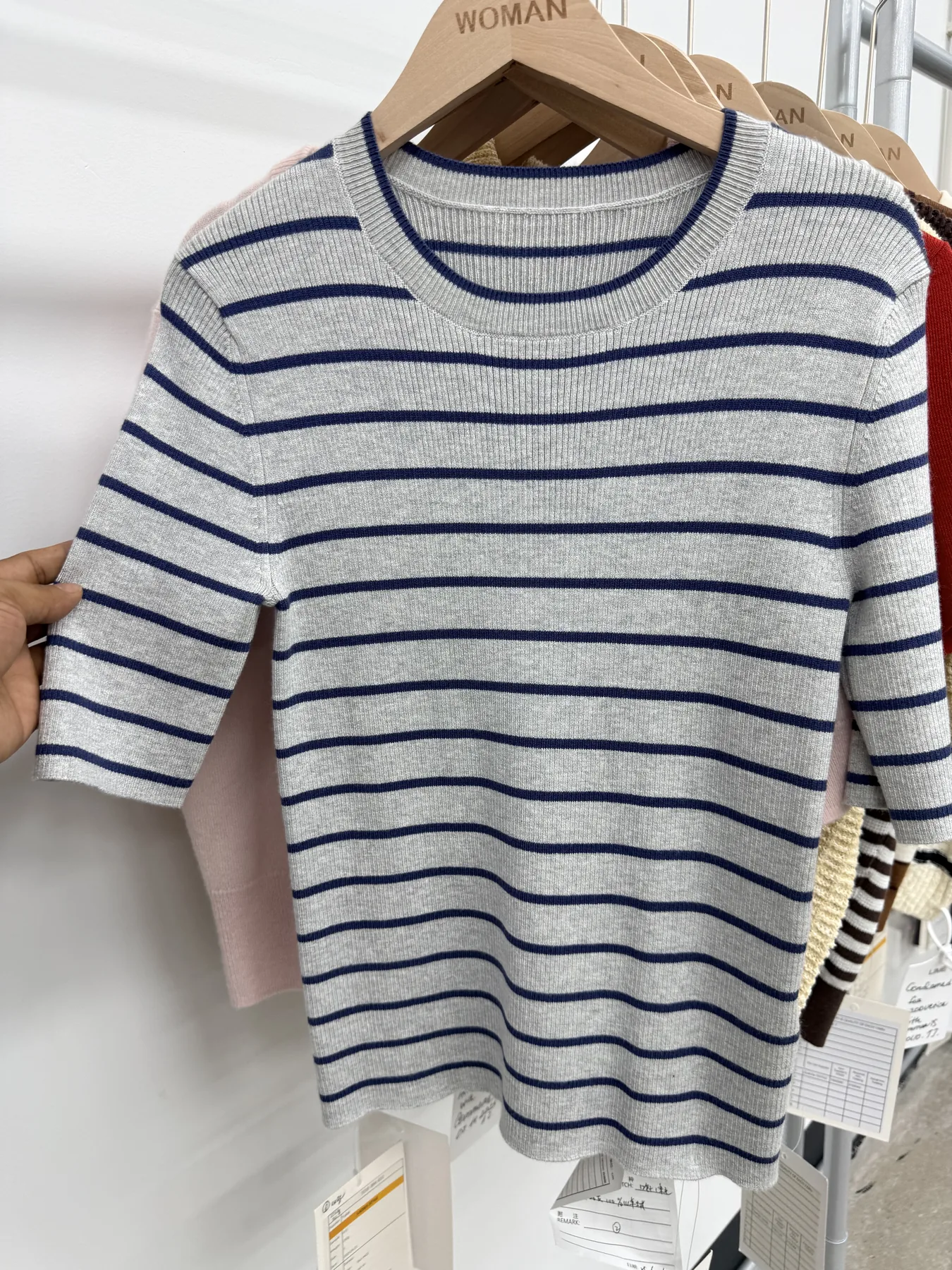
- A sample is the practical point to confirm proportion, hand feel, colour and finishing before bulk approval.
What should a custom knitwear quotation include?
A useful quotation identifies the style, estimated quantity, yarn direction, construction, colours, trims, packing and target delivery requirements. It should also distinguish between a development sample and approved bulk production. If a supplier is asked only for “a wool sweater price”, different suppliers may make very different assumptions—so their figures are not directly comparable.
For a new program, send a knitwear tech pack where possible. A reference sample, sketch or product image can also start the conversation, but note which details are fixed and which are open for development.
Seven factors that usually affect custom knitwear cost
1. Yarn and fibre direction
The fibre content, blend, yarn count, colour availability and required hand feel all influence sourcing and knitting decisions. Cotton, polyester, wool, cashmere and common commercial blends can be evaluated for a project, but the practical choice depends on the design and order plan. A buyer should state any required fibre composition early rather than treating it as a last-stage change.
2. Construction and design complexity
A plain knit, a multi-colour stripe, a cable effect, a shaped neckline or a detailed cardigan do not require the same planning. Construction details can affect programming, linking, finishing and the time needed to make a reliable sample. Mark the elements that define the design so the factory can identify where a simpler option would change the look or performance.
3. Colour count and colour placement
Colour is more than a visual note. A style may need yarn matched or sourced in several shades, and placement must be clear across the body, sleeves, ribs and trims. For stripes, jacquard-style artwork or contrast details, provide a colour callout or reference image and identify the intended placement.
4. Size range and grade information
A single size reference is useful, but a production order usually needs an agreed size range and measurement direction. Body length, chest, shoulder, sleeve and rib measurements all need to work together. Clear measurements reduce the risk that a sample is approved visually but misses the intended fit.
5. Trims, labels and packaging
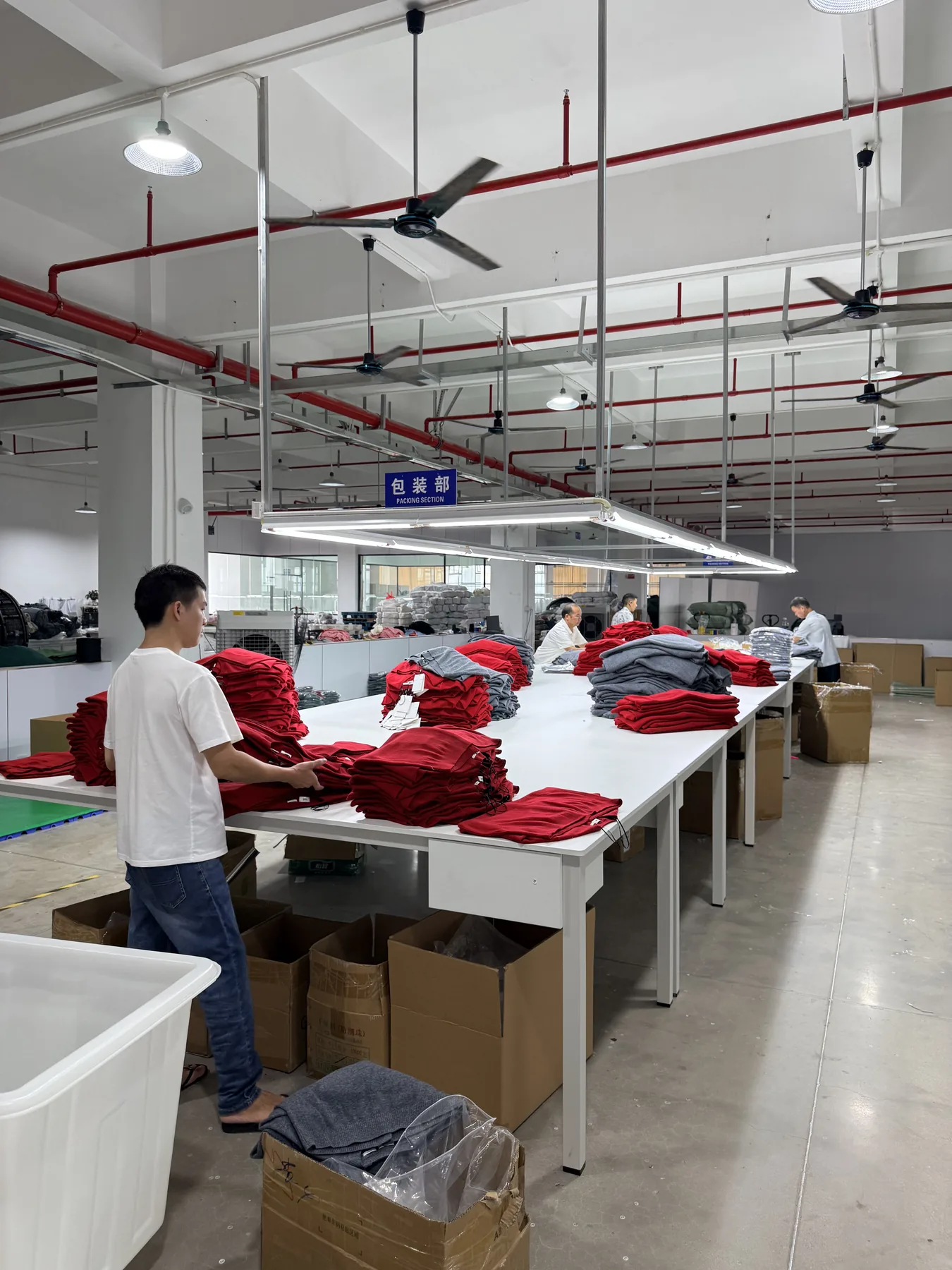
Brand labels, care labels, hangtags, buttons, zips, bags, folding instructions and cartons are part of the delivery requirement, not an afterthought. If branded components are supplied by the buyer, confirm their delivery date and packing specification. If they are to be sourced, provide artwork, material preference and approval expectations.
6. Quantity and colour breakdown
Quantity matters at style, colour and size level. A total order quantity can look workable, while very small quantities split across many colours or variants may be harder to plan. At Rishi Apparel, the usual MOQ starts from 100 pieces per style, subject to yarn, colour, construction and trims. Share the expected split early so the quotation reflects the real order instead of an idealised total.
7. Sample scope and approval timing
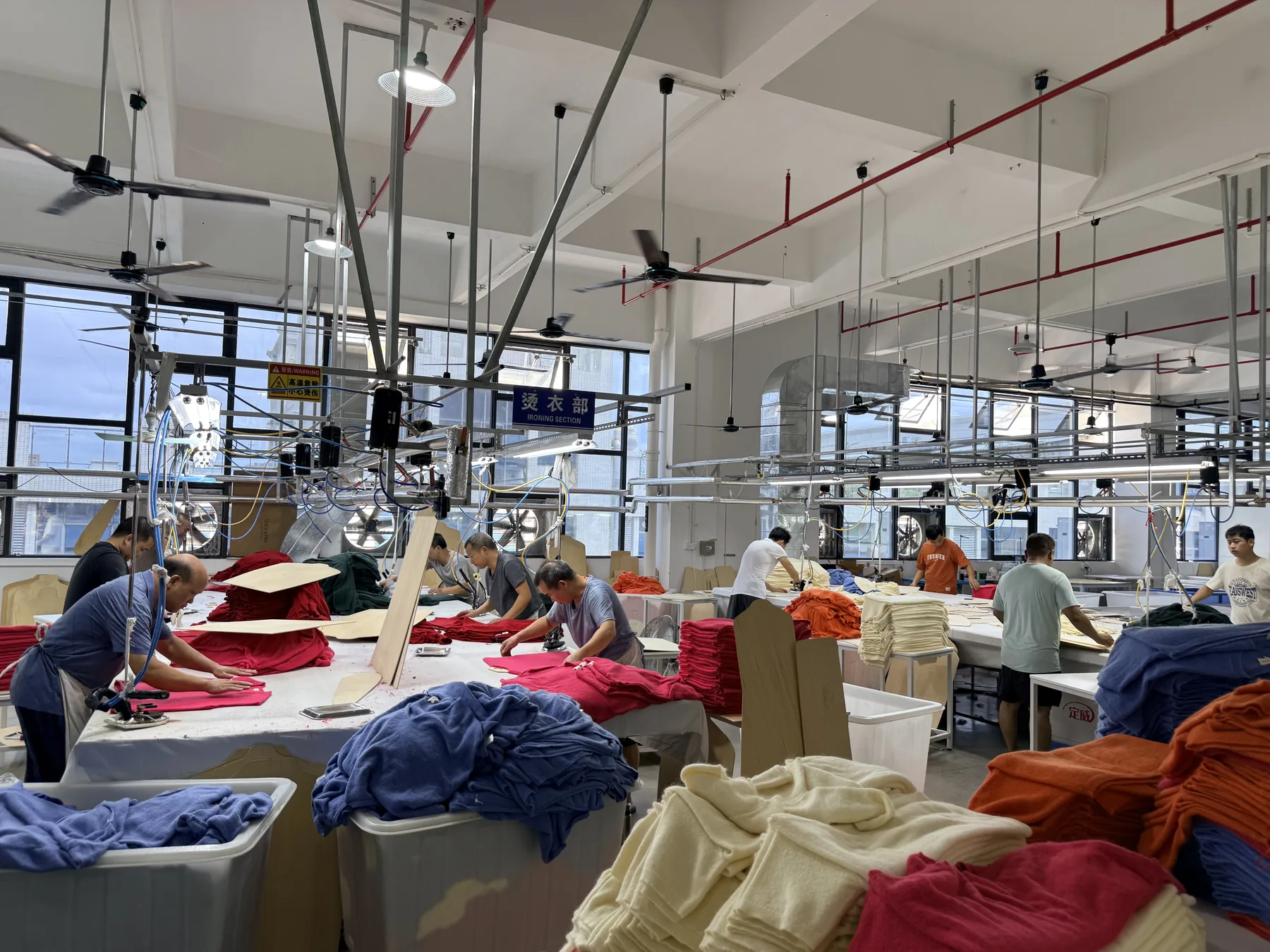
Sampling is where a development brief becomes a physical knitwear product. Typical sampling is 7–15 days, subject to design and material requirements. Bulk production is normally 15–30 days after approval, subject to yarn, construction, order size and approval status. More sample rounds or late changes can move the production plan, so agree what the first sample must prove.
How to compare two knitwear quotations fairly
Do not compare the bottom line alone. Use a simple checklist and ask each supplier to confirm the same inputs.
| Check | Why it matters |
|---|---|
| Yarn assumption | Different fibre or blend assumptions can make a quotation look lower while describing a different product. |
| Quantity split | Style, colour and size breakdowns affect planning beyond the total piece count. |
| Sample scope | Confirm whether the quote covers a first development sample, revisions and the required approvals. |
| Trims and packing | Labels, buttons, hangtags and cartons should not be left as undefined extras. |
| Lead-time starting point | Ask whether timing starts from deposit, yarn confirmation, sample approval or receipt of buyer-supplied trims. |
For a broader sourcing checklist, see how to compare sweater manufacturing quotes.
What to send before requesting a quote
- One clear image, sketch or authorised reference for each style.
- Target fibre or yarn direction, if known.
- Colour references and the expected colour breakdown.
- Size range, target measurements or an existing sample.
- Estimated quantity by style and colour.
- Required labels, trims and packing details.
- Target sample date and bulk delivery window.
If your idea is still early, that is workable. Start with the priorities: target customer, season, product reference, intended quantity and any non-negotiable materials or branding details. The OEM / ODM process can then turn those inputs into a development plan.
Frequently asked questions
Can I ask for a quote before I have a finished tech pack?
Yes. A sketch, reference image, authorised sample or early idea can begin the discussion. The quotation will be more reliable when the yarn direction, measurements, colours, quantity and trims are clarified.
Why can the sample and bulk schedule change?
Timing depends on design, materials, yarn confirmation, sample revisions, approvals and order size. A useful timeline identifies which approval or material decision starts the next stage.
Does a higher MOQ always mean a lower unit cost?
Quantity can improve planning efficiency, but the result also depends on how many colours, sizes and variants are included. Ask for a quotation based on the actual style and colour split.
Can I supply my own labels or trims?
Yes, but the factory needs the specification, delivery timing and packing instructions early enough to include them in the production plan.
What happens after I approve the sample?
The approved sample and confirmed specifications become the basis for bulk planning. Bulk lead time is normally 15–30 days, subject to the yarn, construction, order size and approval status.
Prepare a clearer knitwear quote request
Send your reference, estimated quantity, yarn direction and target dates. Rishi Apparel can review the requirements for a made-to-order OEM or ODM knitwear program.