
The knitwear sampling process turns a design brief into an approved production reference. It normally includes technical review, yarn and colour alignment, a first sample, buyer comments, revision and final approval before bulk production. Not every style needs the same number or names of samples; complexity, fit changes, materials and the buyer’s own approval procedure determine the route.
What buyers should know before sampling
- Approve the product specification, not only the appearance of one sample.
- Separate fit, colour, handfeel and workmanship comments so each issue can be closed.
- Use measurements and annotated photos instead of comments such as “make it better”.
- Keep one current tech pack and revision number for both buyer and factory.
- Do not begin bulk with unresolved yarn, colour, label, packing or measurement decisions.
What should a buyer prepare before sampling?
The factory needs a clear starting point. This may be a knitwear tech pack, an authorised physical sample, reference images, a sketch or an early product idea. The first review should also include the planned quantity, target market, size range, material direction, branding requirements and required dates.
A complete tech pack makes comparison easier, but it is not necessary for the first feasibility discussion. If technical fields are unknown, identify them as open decisions. The factory can then explain what needs to be confirmed before yarn preparation and knitting.
- Front, back and detail views of the style
- Base-size measurements and intended fit
- Yarn, fibre or handfeel direction
- Colour references and artwork files
- Buttons, zippers, labels, hangtags and packing
- Destination market and buyer-defined testing or documentation requirements
Use our custom knitwear quote checklist if you are preparing the first inquiry.
The six stages of a knitwear sampling process
| Stage | Factory focus | Buyer decision |
|---|---|---|
| 1. Technical review | Feasibility, missing information and construction questions | Confirm fixed requirements and open decisions |
| 2. Yarn and colour alignment | Material direction, availability and suitable construction | Approve or comment on yarn and colour direction |
| 3. First sample | Translate the specification into a physical garment | Review design, fit, measurements, handfeel and workmanship |
| 4. Comments and revision | Apply controlled changes to the next version | Issue one consolidated comment sheet |
| 5. Approval sample | Confirm corrected product and production details | Approve, reject or list remaining conditions |
| 6. Bulk reference | Use current specifications and approved standards for production | Release bulk only after commercial and technical details are closed |
1. Technical review
The development team checks whether the design, measurements, yarn direction, quantity and timing can work together. Questions should be raised before knitting begins—for example, whether a visual reference conflicts with the measurement chart, whether artwork placement is dimensioned, or whether a trim is still missing.
2. Yarn, colour and construction alignment
The target fibre, weight, handfeel and colour are reviewed against the style. If the buyer has nominated an exact yarn or supplier, that reference should be included. If not, the target result should be described clearly so the factory can evaluate suitable options. Availability and colour must still be confirmed for the actual project.
3. First development sample
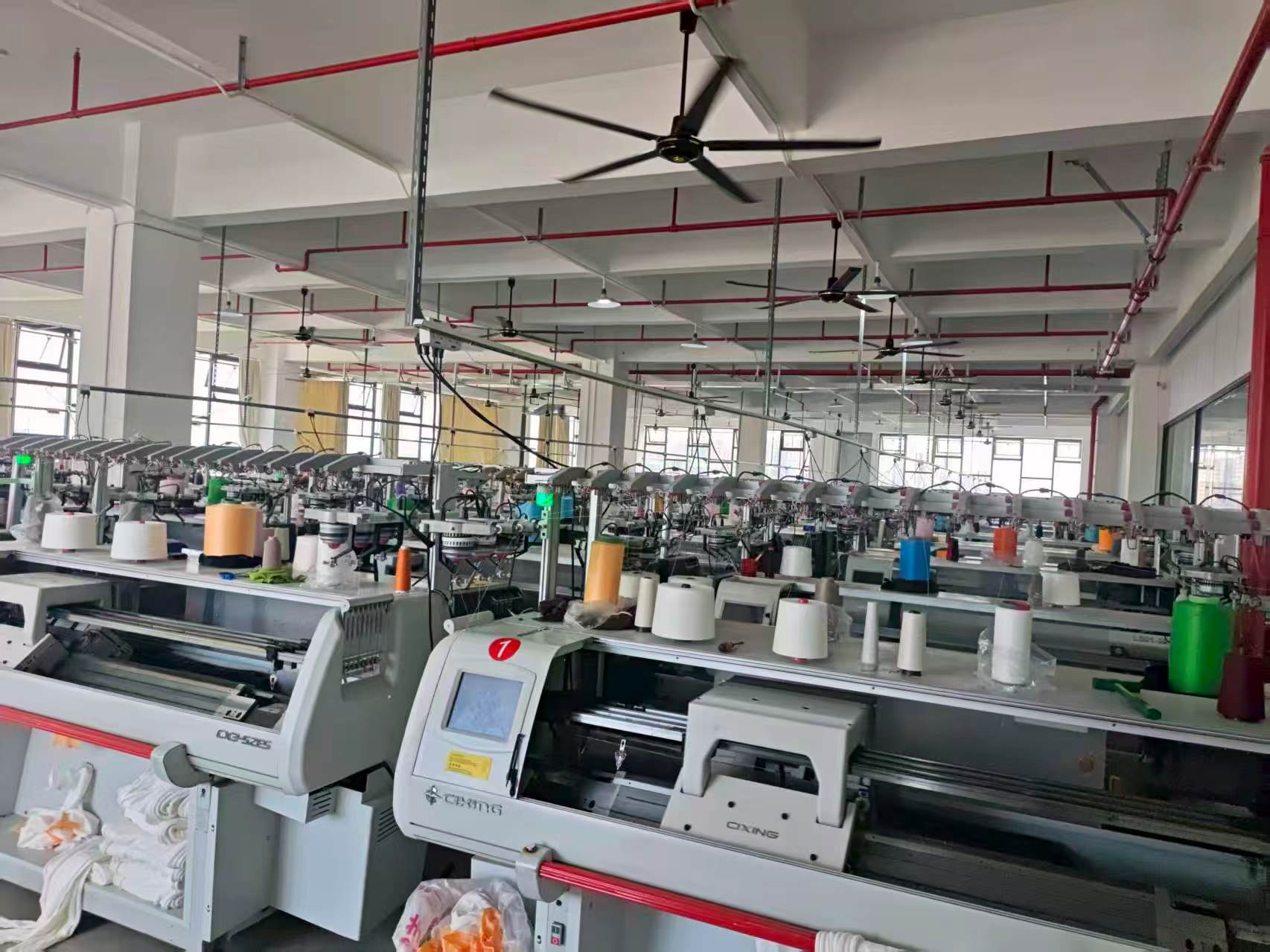
The first sample tests how the design translates into knitted form. It may reveal that a neckline, stitch, artwork scale or measurement needs adjustment. Its purpose is to expose decisions—not to create the illusion that every detail was already certain.
4. Buyer comments and revised sample
The buyer reviews the sample and sends one consolidated set of comments. Changes should be tied to the current revision. A revised sample may be needed when fit, construction, colour, artwork or workmanship changes materially. Minor points may sometimes be confirmed by another agreed method, but this must be explicit.
5. Approval sample
Approval means more than “the garment looks good”. The buyer should confirm the current measurements, yarn and colour, construction, artwork, trims, labels, finishing and packing. Any approval with conditions should list those conditions and explain how they will be verified.
6. Production handover
The approved sample and current specification become the production reference. Bulk production should not rely on memory, chat messages or an earlier sample version. The same approved information must be available to knitting, linking, finishing, inspection and packing teams.
Common knitwear sample names—and why they vary
Brands and manufacturers do not always use sample names in the same way. Before ordering a “fit sample”, “salesman sample”, “size set” or “pre-production sample”, define what the sample must prove and which materials, colours, labels and packing it should use.
| Common name | Typical purpose | Point to confirm |
|---|---|---|
| Development / prototype sample | Test the initial design and construction | Which materials and details may still change? |
| Fit sample | Review measurements, balance and silhouette | Is it made in the intended base size and comparable material? |
| Sales or photo sample | Support selling, presentation or photography | Is it representative enough for the intended use? |
| Size-set sample | Check grading across selected sizes | Which sizes and points of measure require approval? |
| Pre-production sample | Confirm the production-ready specification | Does it include approved yarn, colour, trims, labels and finishing? |
Not every order needs every sample type. The required route should be agreed according to product risk, buyer procedures and the changes made during development.
How to review a knitwear sample
- Identity: check the style number, colour, size and revision before reviewing anything else.
- Design: compare silhouette, neckline, sleeve, rib, pattern placement and requested details with the current specification.
- Material and handfeel: record whether yarn, weight, surface and stretch are approved, rejected or still provisional.
- Measurements and fit: measure the garment consistently and assess it on the intended wearer or form where appropriate.
- Construction: review seams, linking, shaping, openings, attachments and inside finishing.
- Colour and artwork: compare against the approved reference and check scale and placement.
- Trims and branding: check buttons, zippers, labels, hangtags and their positions.
- Finishing and packing: confirm final appearance, folding and presentation requirements.
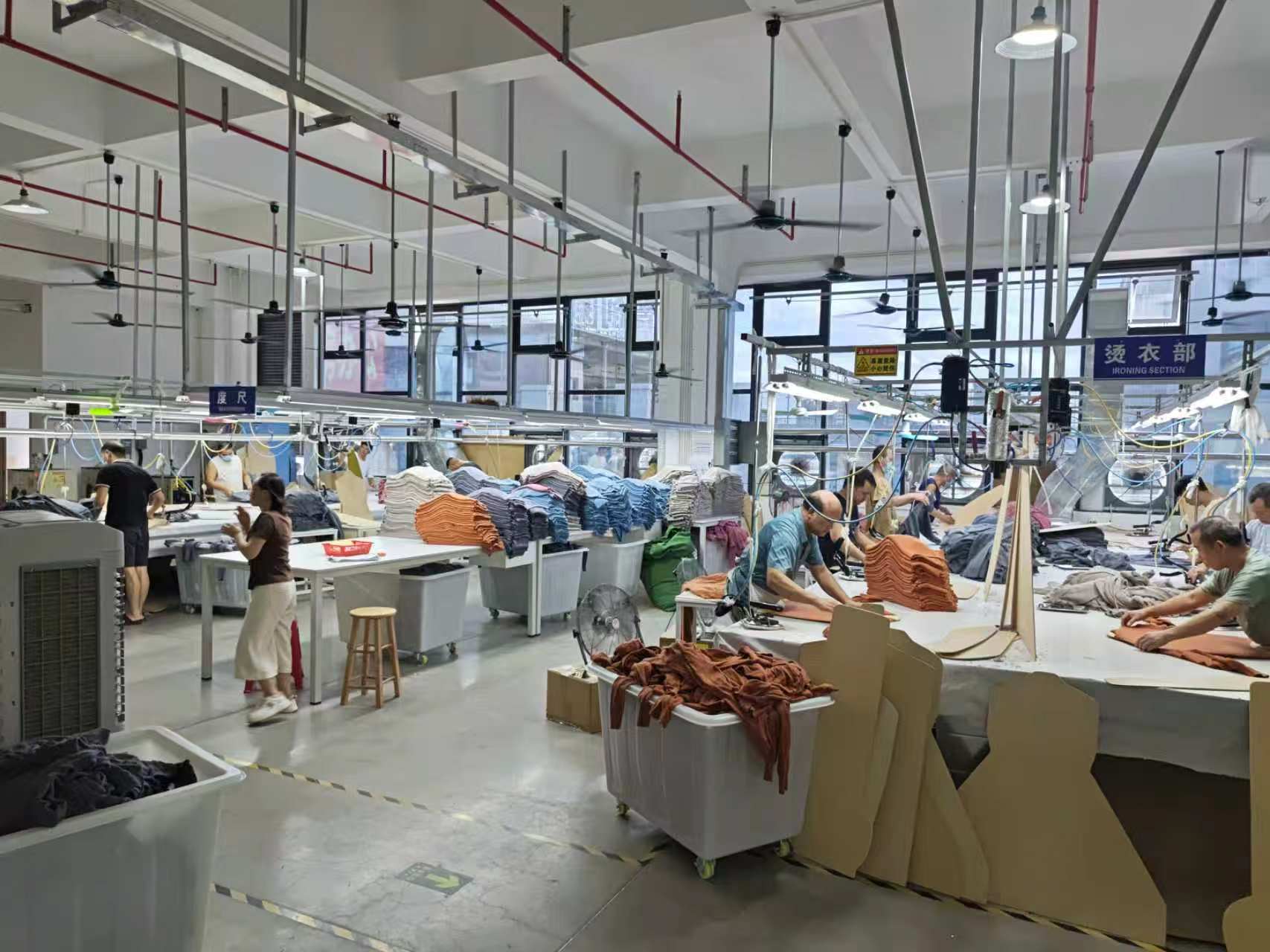
Photograph the sample consistently and keep the reviewed garment or an agreed reference available. Comments should state which features are approved so unchanged details are not reopened unnecessarily in the next round.
How to write comments the factory can act on
A good comment identifies the location, current result, required change and approval method. For example, “base-size body length measured 58 cm; revise to 60 cm according to measurement point POM 02” is clearer than “make the body longer”.
Useful comment format: Style / revision → area or measurement point → current result → requested result → supporting photo or drawing → applies to next sample or bulk.
- Combine comments from design, technical and buying teams before sending.
- Number every comment and attach marked photographs.
- Separate required changes from suggestions and questions.
- Update the tech pack instead of leaving approved decisions only in email or chat.
- State which previous comments are closed.
How long does knitwear sampling take?
Rishi Apparel’s sampling time is typically 7–15 days, subject to the design, yarn and material requirements. This refers to the factory sampling stage after the necessary information and workable materials are available. The complete calendar can be longer when yarn sourcing, custom colour, trims, shipping, buyer review or another revision is required.
Plan backward from the selling or delivery date. Allow time for specification review, sampling, shipment, internal fitting, consolidated comments and possible revision. Treating 7–15 days as the whole product-development calendar creates avoidable pressure.
What commonly causes sampling delays?
| Delay source | Why it creates rework | Buyer action |
|---|---|---|
| Conflicting files | Sketch, measurements and comments describe different versions | Issue one current revision |
| Late yarn or colour change | Construction and handfeel may need reevaluation | Approve the material direction early |
| Incomplete measurements | Fit cannot be judged against a controlled reference | Confirm base size and points of measure |
| Separate comment messages | The factory cannot tell which instruction is final | Send one consolidated comment sheet |
| Unapproved trims | Buttons, zips, labels or packaging remain provisional | Track each item and approval status |
| Changing the design after fit approval | A new construction or artwork decision reopens development | Separate corrections from a new design version |
What must be closed before bulk production?
- Approved style and current tech-pack revision
- Base-size measurements and required size range
- Yarn, colour and knit construction
- Artwork size, colours and placement
- Buttons, zippers, labels, hangtags and other trims
- Finishing, folding and packing requirements
- Order quantity and colour/size breakdown
- Buyer-defined testing, inspection and documentation requirements
- Commercial terms and production timing
After approval, Rishi Apparel’s normal bulk lead time is 15–30 days, subject to yarn, construction, order size and approval status. Review the complete OEM/ODM manufacturing process and our factory and quality workflow before releasing an order.
Frequently asked questions
How many sample rounds will my sweater need?
There is no fixed number. A clear, workable style may be approved quickly; a complex style or major fit, yarn, colour or artwork change may need another round. The goal is to close defined decisions, not to promise a specific number before review.
Can I request a sample without a tech pack?
Yes. An authorised sample, reference images, sketch or idea can be reviewed, but measurements, materials, branding and approval criteria still need to be documented before bulk.
How much does a knitwear sample cost?
Sample cost depends on the style, yarn, construction, trims and development work. Send the current specification for a project-specific quotation; no single sample price fits every design.
Does sample approval guarantee every bulk piece is identical?
The approved sample and specification set the production reference. Bulk consistency still depends on controlled materials, processes, measurements and inspection. Any buyer-defined tolerances or inspection requirements should be agreed before production.
Can I change yarn or colour after approving fit?
A material change can affect handfeel, weight, stretch, appearance and measurements. The factory should assess whether another sample or confirmation is required.
Ready to start a knitwear sample?
Send your tech pack, authorised sample or reference images with the planned quantity and target date. Our Dongguan team will review feasibility and the missing decisions before development begins.