
A knitwear quality inspection should compare finished goods with the buyer-approved sample, measurement specification and agreed order details before shipment. For custom sweaters, cardigans, polos and accessories, the inspection plan should cover measurements, appearance, knit construction, joining, colour, labels, packing and records for any correction required before goods are released.
Start with an agreed inspection reference
Inspection is clearer when the buyer and manufacturer use the same reference set: the approved sample, current tech pack, final measurement chart, confirmed colour direction, branding artwork and packing instructions. An inspection cannot solve specifications that remain open, so the first task is to identify what is actually approved and what still needs a decision.
For a custom knitwear program, the reference should also state the quantity by style and colour, the inspection scope, any agreed measurement tolerance and how defects or rework comments will be recorded. Do not assume a named inspection level, testing program or acceptance limit unless it has been agreed for your order.
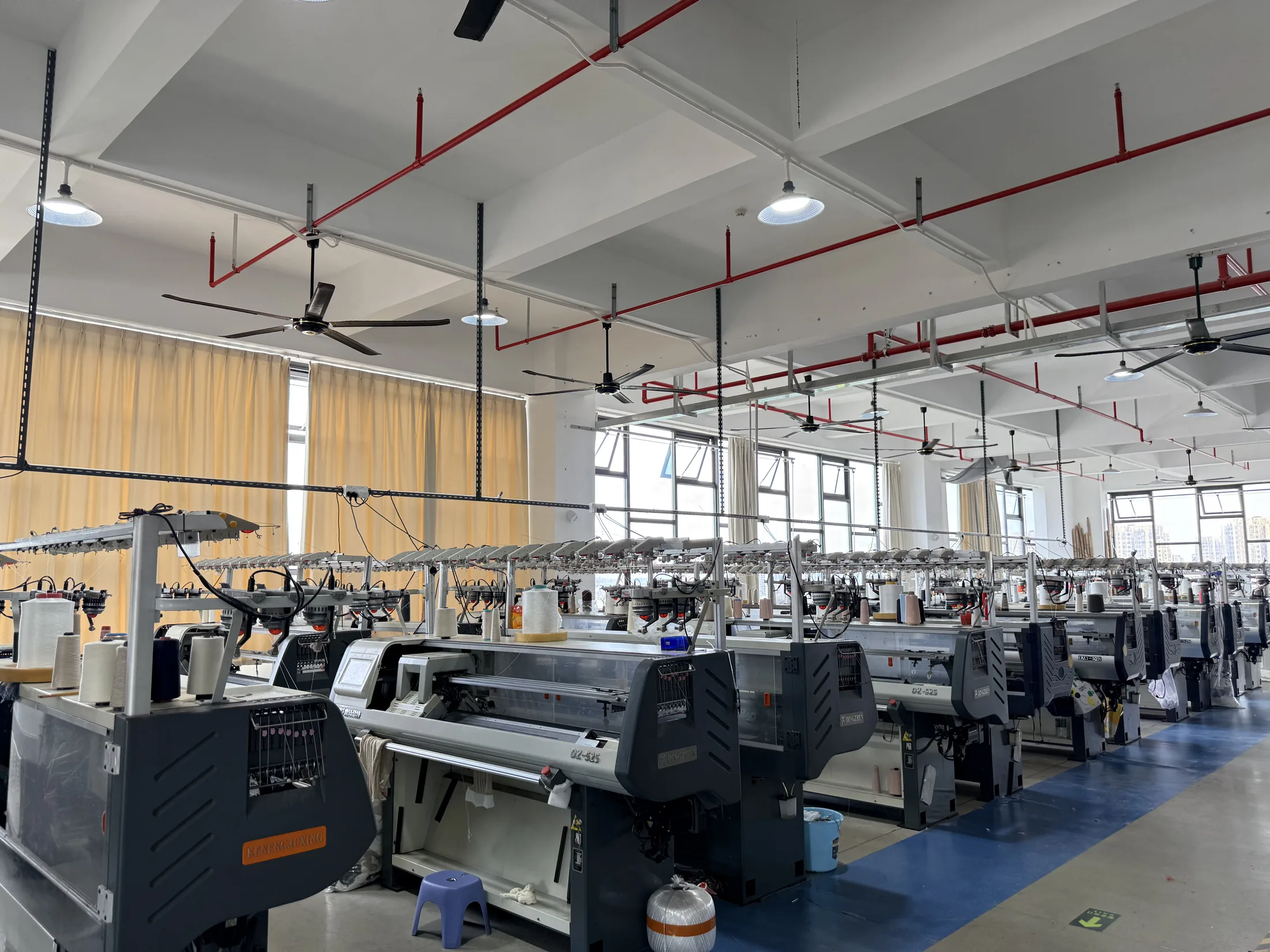
Knitwear quality inspection checklist
| Check area | What to compare | What to record |
|---|---|---|
| Measurements and shape | Finished garment measurements, proportions, sleeve and body shape against the approved chart | Style, size, measured point, actual result and the agreed tolerance |
| Appearance and knit surface | Yarn appearance, stitch definition, visible holes, dropped stitches, snags, stains, marks and unwanted distortion | Clear photos, garment position, quantity affected and proposed action |
| Construction and trims | Joining, seams, collar, placket, ribs, buttons, zippers, embroidery and other approved details | The comparison against the approved sample or construction note |
| Colour and assortment | Colour direction, style/size/colour breakdown and consistency between the goods and order information | Any concern by colour, batch or size range for review |
| Labels and packing | Main label, care label, hangtag, folding, bags, cartons and shipping marks | Artwork version, placement, copy and packing instruction checked |
1. Check measurement and garment shape first
Measure the points that matter for the approved style: body length, chest or bust, shoulder, sleeve length, hem, cuff, neck opening and any style-specific point such as a collar or placket. The relevant points must come from the buyer’s final measurement chart—not from a generic sweater size table.
Shape is also part of the check. Lay the garment flat in a consistent way and review whether the body, sleeves, neckline, rib and any shaped panels correspond with the approved sample. The knitwear tech pack guide explains why measurement points and construction notes should be documented before development and bulk production.
2. Review the knit surface and workmanship
Inspect under sufficient light and compare the garment with the approved visual standard. Look for irregular stitch appearance, visible yarn joins, holes, dropped stitches, snags, stains, marks, uneven ribs or any distortion that changes the intended appearance. For jacquard, intarsia, cable, texture or embroidery, confirm the artwork scale and placement against the approved reference.
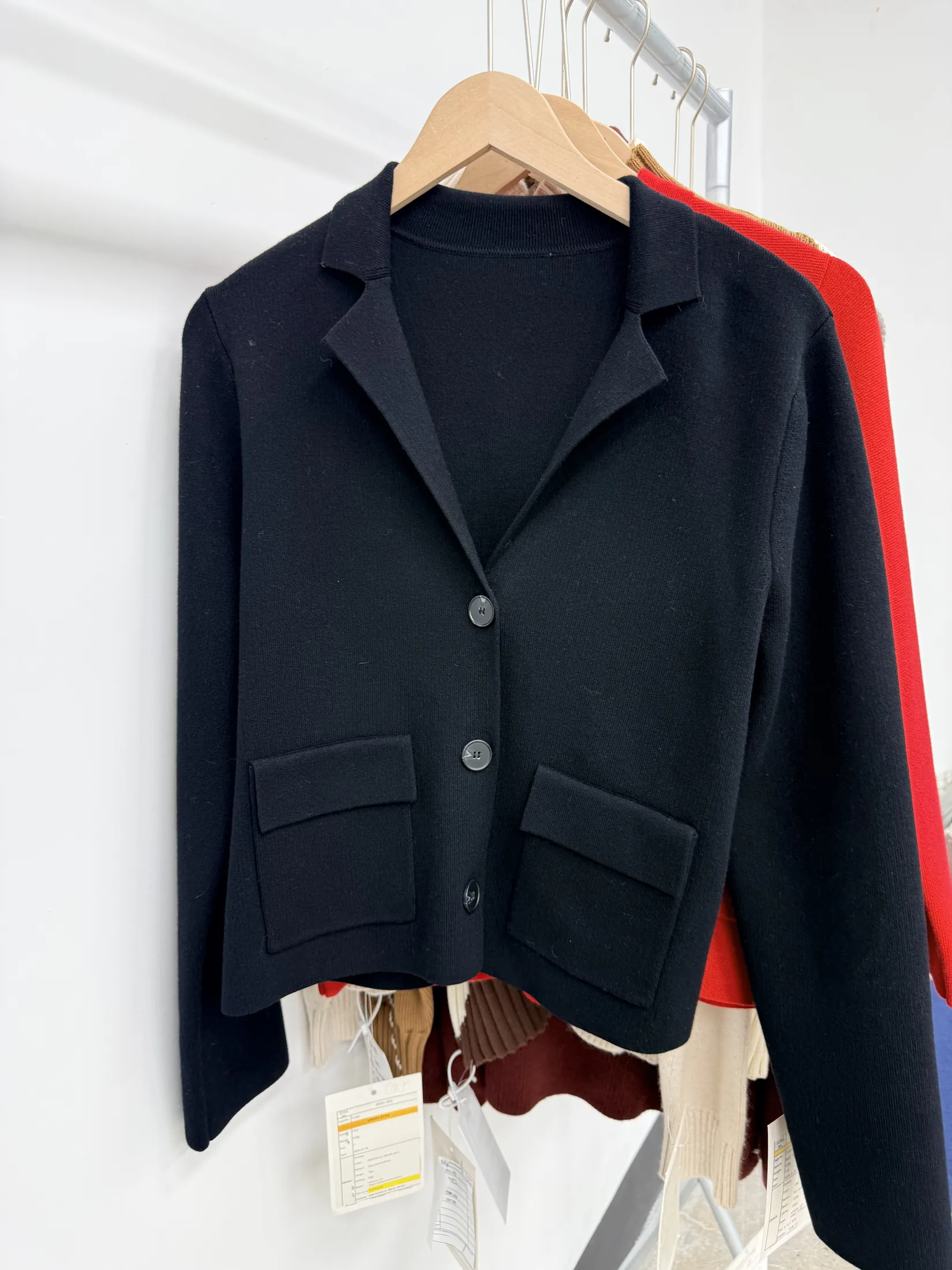
3. Confirm labels, packing and order identity
Quality review does not stop at the garment. Confirm that the main label, care label, size marking, hangtag and packaging match the buyer-approved artwork and placement. Also check the final style, size and colour assortment against the order record. Labels and packaging often have their own artwork versions and minimums, so keep the approved files with the order documentation.
Use the private-label knitwear guide to plan labels, hangtags and retail packaging before they become a last-minute bulk-production issue.
4. Record issues so they can be closed clearly
A useful inspection record should identify the style, colour, size, quantity reviewed, issue location, photo and required action. Avoid vague comments such as “not good”. State the comparison point: for example, whether a measurement is outside the agreed tolerance, a trim differs from the approved sample or a label uses an unapproved artwork version.
After corrections, confirm what was rechecked and what remains open. This creates a practical handover record for the buyer, factory and packing team, rather than relying on informal messages.
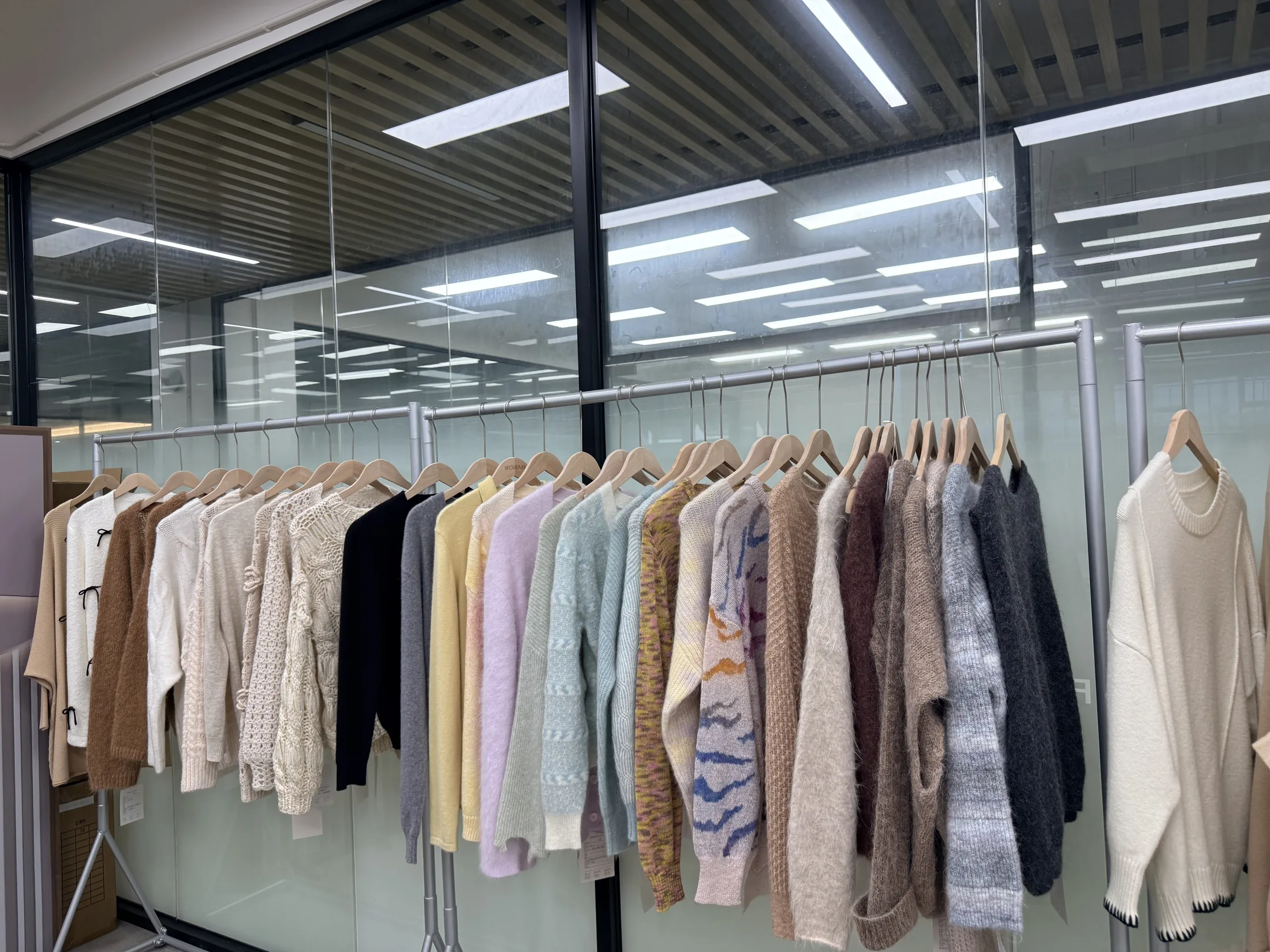
How this fits into the full knitwear production process
Pre-shipment inspection is one stage in a longer control process. Before it, the buyer needs an approved sample and clear specifications; after it, packing and shipment follow the released order details. Rishi Apparel is a made-to-order OEM and ODM knitwear manufacturer in Dalang, Dongguan. Sampling is typically 7–15 days once workable design and material information is available. Approved bulk production is normally 15–30 days, subject to yarn, construction, order size and approvals.
See the knitwear sampling process for the stage before bulk approval, and visit our factory and quality page for a view of the production environment.
Frequently asked questions
What is the most important reference for knitwear inspection?
The buyer-approved sample and final written specification are the most useful references. They should be read together with the measurement chart, colour direction, branding artwork and packing instructions.
Should we specify measurement tolerances?
Yes. The applicable measurement points and tolerances should be agreed for the style before inspection. They should not be assumed after production is finished.
Can labels and packing be checked after the garments are finished?
They can be checked at final inspection, but their artwork, copy, placement and packing method should be approved much earlier so they do not delay release of the goods.
What should I send before asking for a quote?
Send the style reference or tech pack, quantity by colour, size range, material direction, target market and required delivery date. You can begin with a sketch, authorised sample or reference images if a complete tech pack is not ready.
Plan the inspection points before production starts
Send your style reference, approved sample information, measurement chart and key quality requirements. We will review the details needed for a clear custom knitwear program.