
Computerized flat knitting is a production method used to knit shaped garment panels and selected knit structures from digital programming and yarn input. For a custom knitwear buyer, the important question is not the machine name: it is whether the yarn, gauge direction, stitch structure, measurements, trims and approved sample have been translated into a repeatable production specification.
What computerized flat knitting means for a buyer
Flat knitting makes panels or shaped garment components that are later assembled and finished according to the approved construction. It is commonly considered for sweaters, cardigans, knit polos, vests, dresses and selected accessories. A factory can use computerized knitting equipment, but the outcome still depends on decisions made before production: the yarn, stitch structure, measurements, artwork, colour direction and workmanship standard.
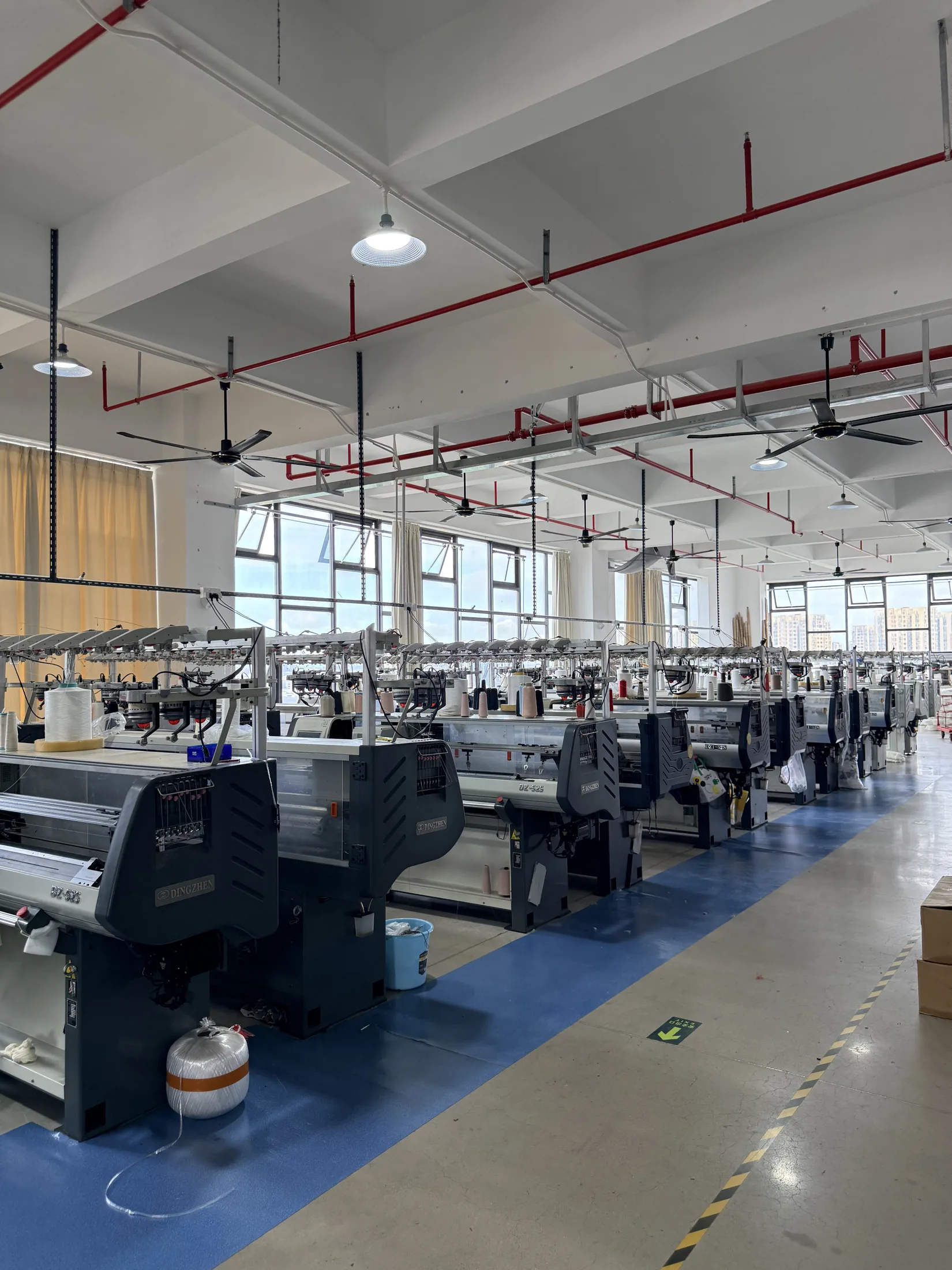
The six inputs that need to be clear first
| Input | What the buyer should provide or approve | Why it matters |
|---|---|---|
| Yarn direction | Fibre, handfeel, colour direction and target price range | Yarn affects appearance, weight, drape, stitch definition and availability. |
| Silhouette and measurements | Tech pack, size chart or authorised sample | Panel shape and finished fit must follow a specific approved reference. |
| Gauge and construction | Target weight, transparency, stretch and visual effect | The right construction is evaluated with yarn, silhouette and handfeel—not from a product image alone. |
| Stitch or artwork | Jacquard, intarsia, cable, rib, texture, embroidery or other visual direction | Artwork scale and construction must be checked during sample development. |
| Trims and branding | Buttons, zippers, labels, hangtags and packing requirements | These can affect sampling scope, cost, timing and order planning. |
| Quantity and timing | Quantity by style and colour, target market and delivery date | Commercial feasibility depends on the full order breakdown, not only the garment image. |
How stitch structures affect the development conversation
Rib, cable, jacquard, intarsia, texture, openwork and colour blocking can all change the way a knitwear style is developed. A complex surface may influence yarn choice, garment weight, stretch, shape retention, visual scale and sample timing. A buyer should identify the features that are non-negotiable and those that can be adjusted after the first sample.
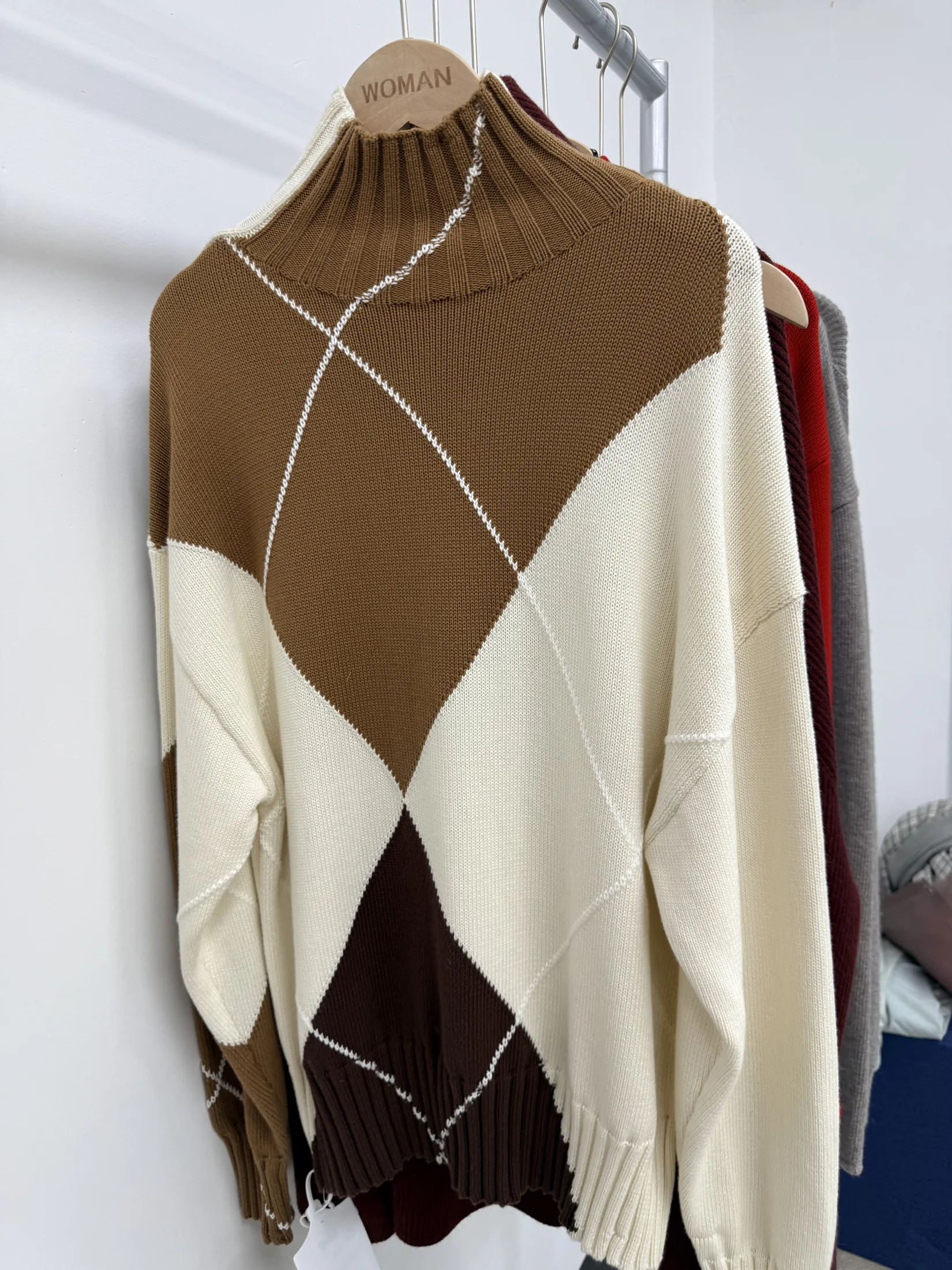
For more yarn-planning questions, read our guide to choosing yarn for custom knitwear. It explains how fibre, handfeel, stitch definition, care direction and sampling work together.
What computerized knitting does not decide on its own
- Whether a yarn is commercially suitable for the buyer’s target price and quantity.
- The final fit and measurement standard for the target market.
- Whether colours, artwork scale and trims match the brand’s approved direction.
- Which label, hangtag and packaging details must be included in the bulk order.
- Whether a sample is ready for bulk approval.
These are development and approval decisions. An approved sample ties the buyer’s expectations to the production specification. See the knitwear sampling process for the practical stages from an initial sample to bulk approval.
Use a development range to sharpen your brief
A development range can help a buyer explain what matters across a collection: lightweight versus winter-weight pieces, core essentials versus statement knitwear, colour stories, necklines, surface techniques and the desired level of texture. It should not be treated as a ready-stock catalogue. Rishi Apparel produces made-to-order B2B knitwear; the images below show directions that can be evaluated and adapted to an approved buyer brief.
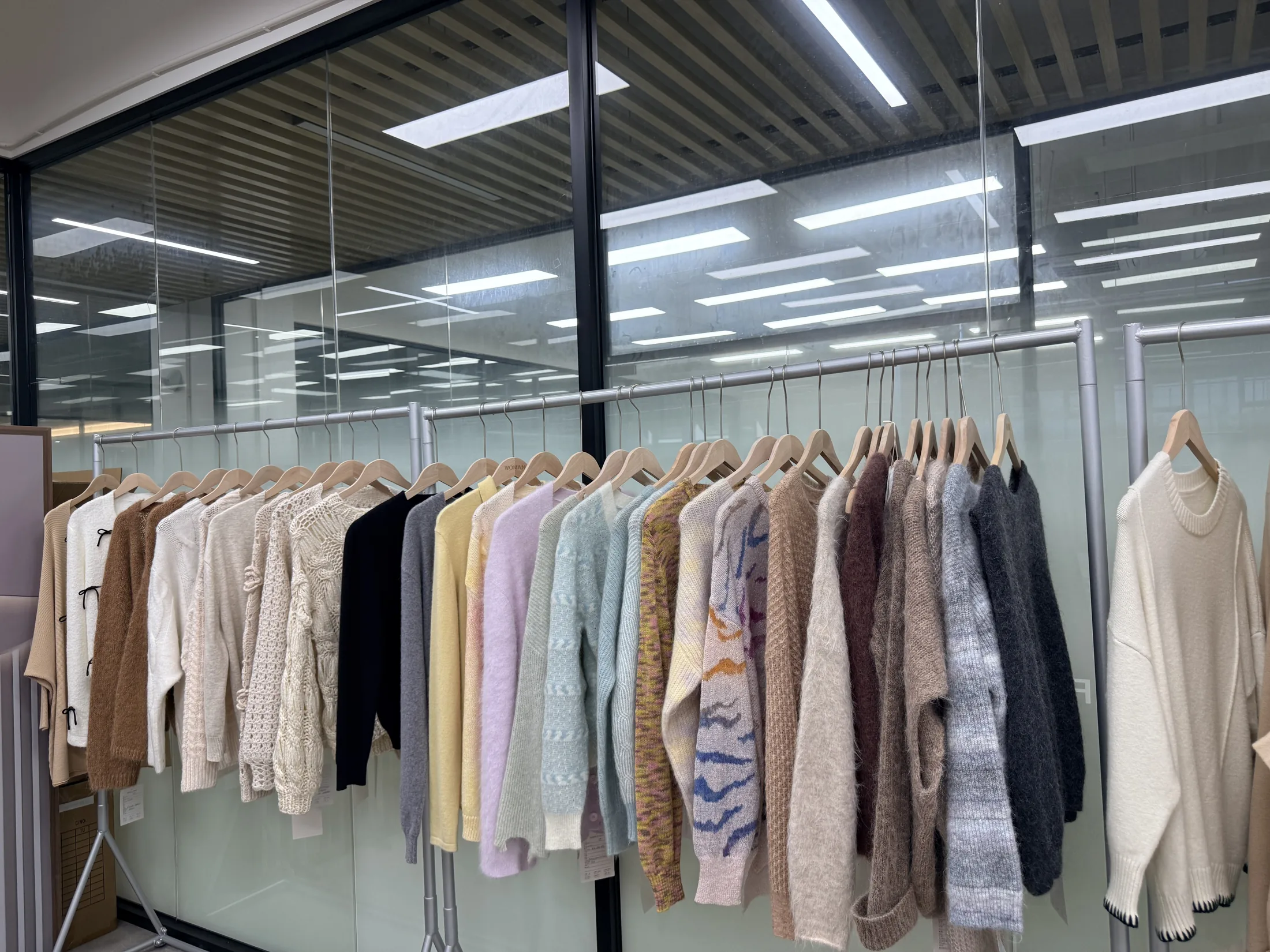
Browse the custom knitwear product range for men’s, women’s, children’s and accessory directions. Each project still requires its own technical and commercial review.
How to start a computerized flat-knitting project
- Send a tech pack, authorised sample, sketch or clear reference images.
- State the quantity by style and colour, target market and required delivery date.
- Explain the desired yarn, handfeel, construction and any must-have visual details.
- Confirm which elements the first sample should prove: fit, yarn, stitch, colour, artwork, trims or branding.
- Approve the sample and final production details before bulk production is released.
Rishi Apparel’s usual MOQ starts from 100 pieces per style, subject to yarn, colour, construction and trims. Sampling is typically 7–15 days; approved bulk production is normally 15–30 days, subject to the project requirements and approvals. The MOQ guide explains what may affect the final order breakdown.
Frequently asked questions
Can I begin with a photo rather than a tech pack?
Yes. A tech pack is ideal, but you can begin with an authorised sample, sketch or reference images. Add the quantity, target market, material direction and timing so the style can be evaluated realistically.
Can you make jacquard, intarsia or cable knitwear?
These structures can be evaluated with the yarn, gauge direction, artwork, silhouette and target handfeel. The sample stage is used to confirm the practical result before bulk approval.
Does a computerized knitting floor mean the style can skip sampling?
No. The approved sample remains the practical reference for fit, measurements, yarn, colour, construction, trims and workmanship details that must be carried into bulk production.
What should we send for a first quotation?
Send the style reference, quantity by colour, size range, material direction, target market and required delivery date. We review the commercial and technical inputs together before confirming the next step.
Plan a custom knitwear development brief
Share your style reference, yarn direction, quantity and required timeline. We will review the practical inputs for OEM or ODM development.