
A knitwear collection brief turns reference garments, target customer, colour direction and commercial quantities into a development conversation a factory can act on. It does not need to begin as a perfect tech pack. A buyer can start with selected references and then clarify the fit, yarn direction, construction, branding, quantity and delivery priorities that need to be proved through sampling.
What belongs in a knitwear collection brief?
A collection brief helps separate the parts that define the product from the parts that are still open to development. It is useful when a brand is planning several styles—such as core pullovers, cardigans, knit polos or statement pieces—rather than pricing one isolated image. The brief should give the factory enough context to assess yarn, construction, sample scope and order planning realistically.
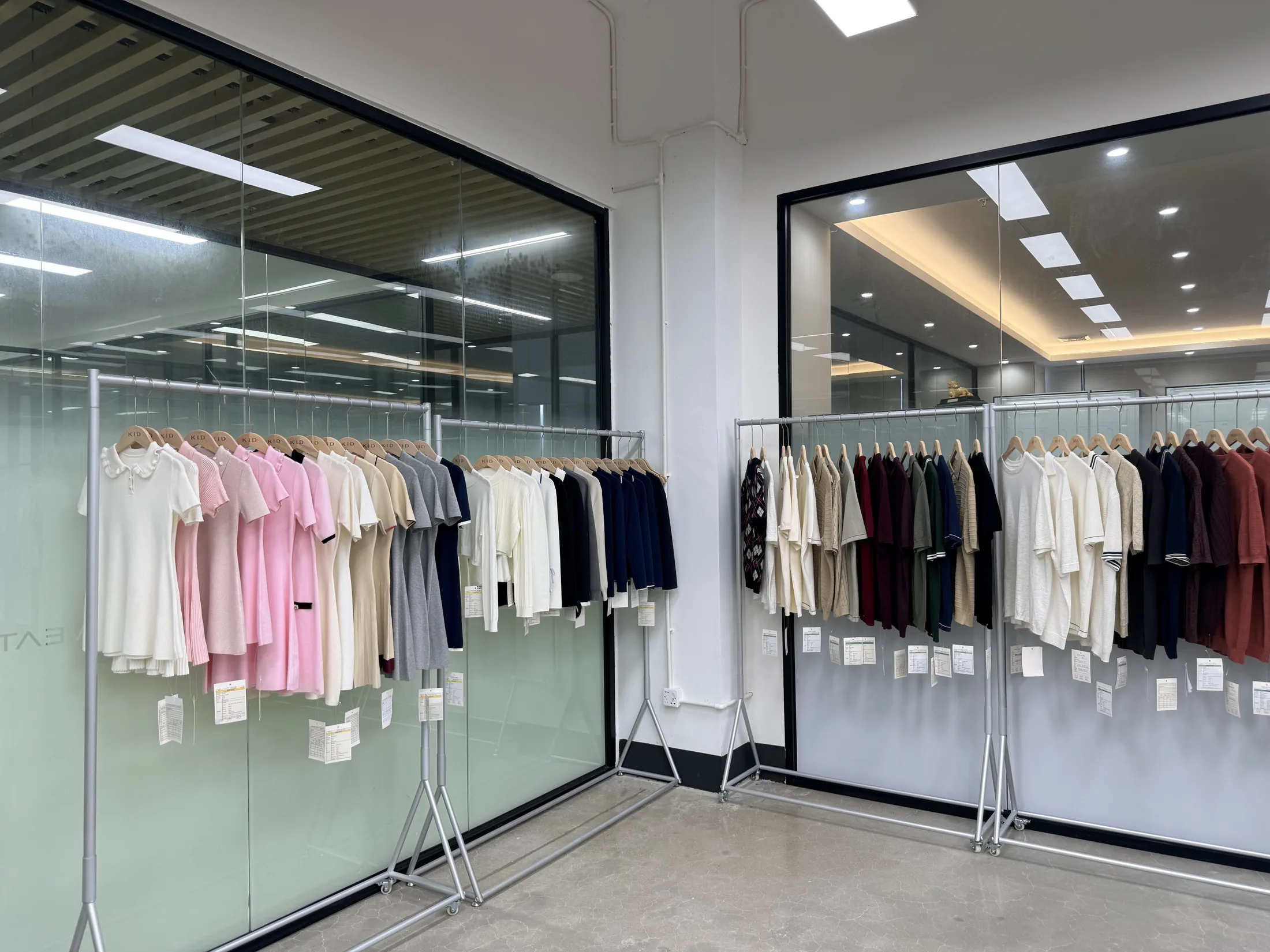
Start with a clear product direction
| Brief item | Useful input | Why the factory needs it |
|---|---|---|
| Reference styles | Photos, sketches or authorised samples | Shows the intended silhouette, neckline, proportion and visible details. |
| Customer and market | Target wearer, price positioning and market | Helps frame fit, handfeel, labelling and commercial expectations. |
| Yarn direction | Fibre preference, weight and handfeel | Yarn affects appearance, drape, stitch definition and practical sourcing. |
| Construction | Rib, texture, cable, jacquard, intarsia or other direction | Construction needs to be checked with the yarn and sample, not judged from one image alone. |
| Branding and trims | Labels, buttons, zippers, hangtags and packaging | These details affect development scope and final bulk requirements. |
| Quantity and timing | Quantity by style and colour plus required delivery date | MOQ, yarn planning and lead time depend on the full breakdown. |
Use references to explain priorities, not to copy blindly
A reference garment is most useful when the buyer identifies what must be retained: perhaps the neckline, oversized shape, stripe placement, texture, weight or colour contrast. Other elements may need adjustment after yarn and construction are evaluated. This makes the first sample more productive than asking a factory to reproduce every visible detail from a photograph without commercial or technical context.
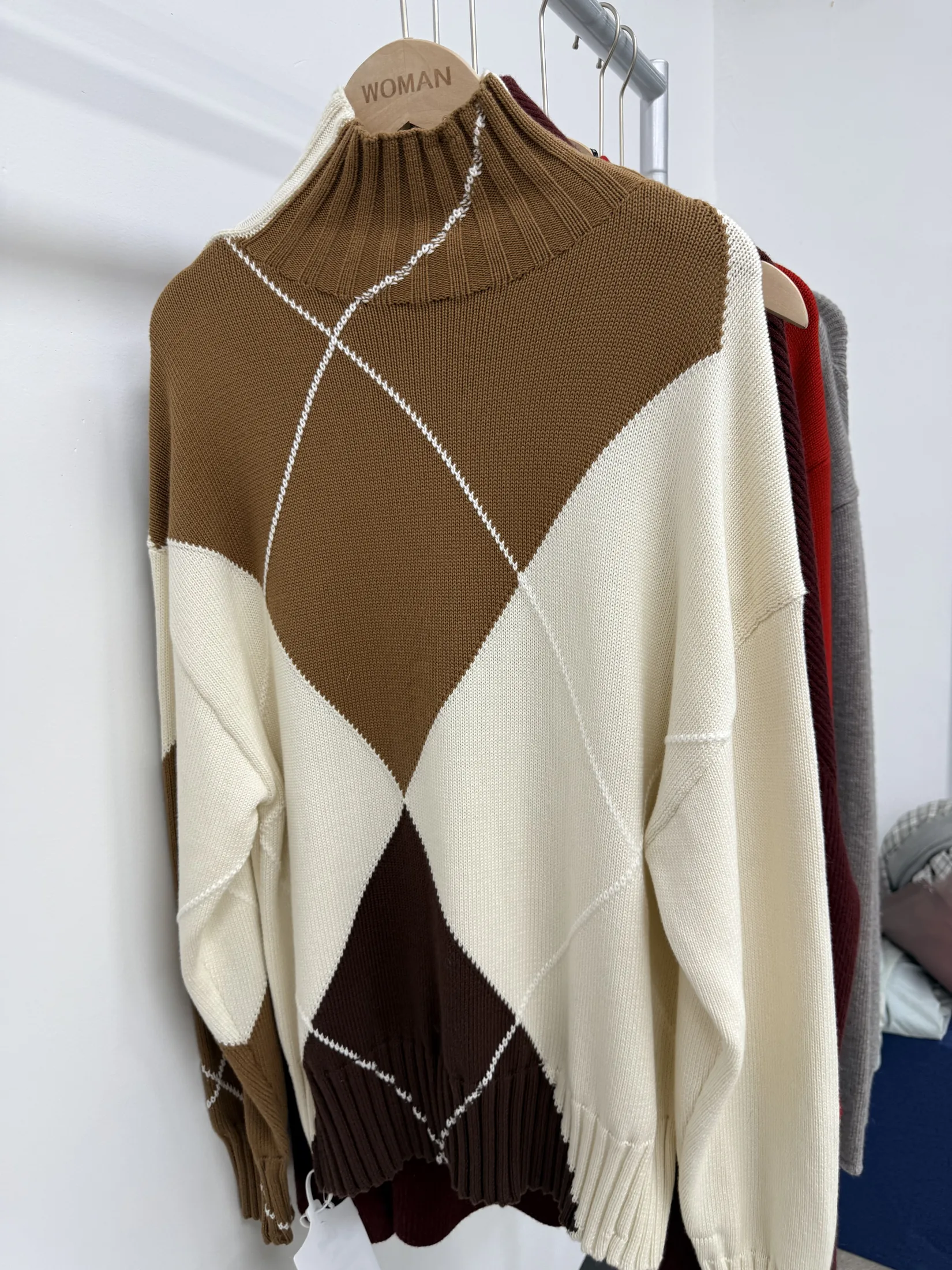
For a more detailed checklist of the technical information a factory needs, see our guide to preparing a knitwear tech pack. A complete tech pack is ideal, but a clear reference and well-organised brief can be a practical starting point.
Plan the collection in sample-friendly stages
- Group styles by category, season, target wearer and intended price direction.
- Choose the references that best explain each silhouette or construction.
- Mark the non-negotiable design points and the points open to factory recommendations.
- Provide quantities by style and colour, size range and target delivery window.
- Use the sample to approve fit, yarn, colour, construction, trims and branding before bulk production.
Rishi Apparel is a made-to-order B2B knitwear manufacturer, not a ready-stock wholesaler. Our usual MOQ starts from 100 pieces per style, subject to yarn, colour, construction and trims. Sampling is typically 7–15 days; approved bulk production is normally 15–30 days, subject to the project and approvals.
Connect the brief to production planning
Once the collection direction is clear, development moves from visual references into a production-ready record. The team needs to align approved sample comments, measurements, yarn, colours, artwork, labels, trims and packing expectations. Keeping these decisions together gives the buyer and factory one shared reference for bulk production.
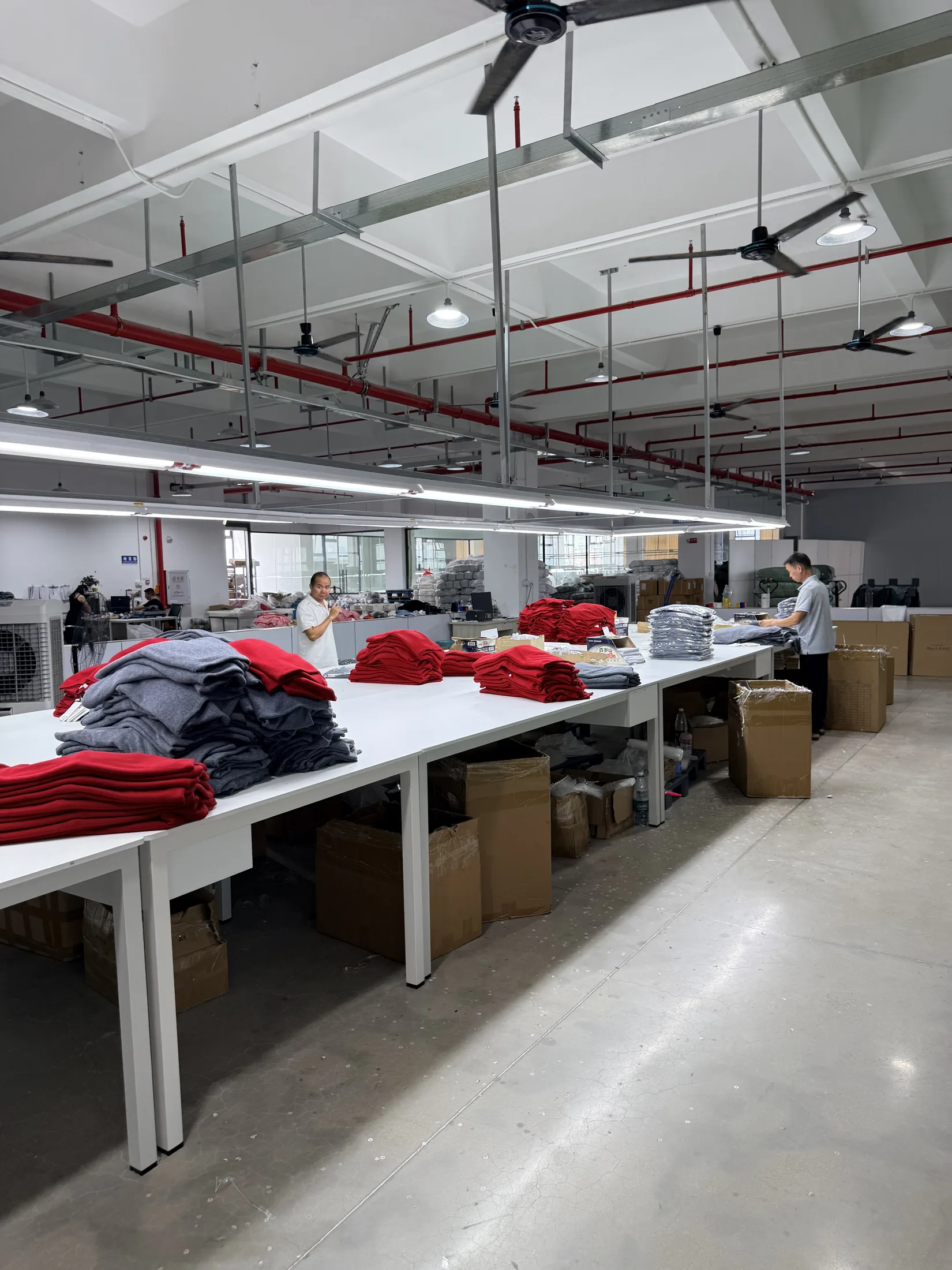
Learn how the development handover works in our OEM and ODM process overview, and browse the custom knitwear product categories for men’s, women’s, children’s and accessory directions.
Frequently asked questions
Can I start with showroom or competitor references?
You can use reference images to explain a direction. Identify the features you want to achieve and provide your own brand, quantity and market requirements. The final sample and approved specification become the production reference.
Do all collection styles need a complete tech pack?
A tech pack is the clearest route, but early planning can start from a selected sample, sketch or reference image. Technical details should be confirmed before bulk approval.
How many styles should be sampled first?
That depends on the collection and its shared yarns, constructions and fittings. Start with the styles that establish the key fit, material and construction decisions for the range.
Can labels and packaging be included?
Yes. Woven and care labels, hangtags, selected trims and packaging can be developed or applied to your approved requirements.
Turn your knitwear references into a development brief
Send your references, target quantity, material direction and delivery window. We will review the practical inputs for OEM or ODM development.