
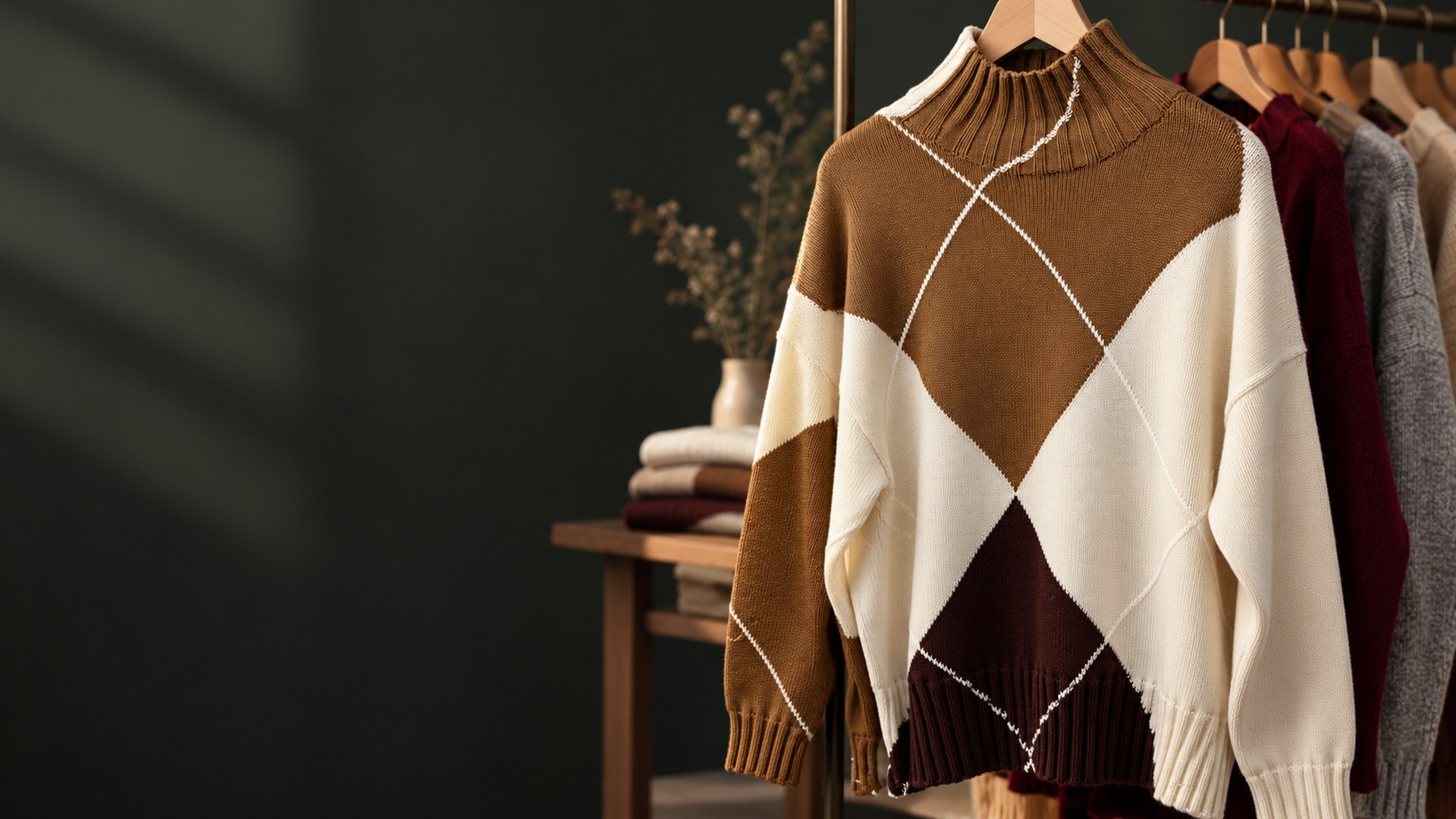
CUSTOM PRODUCT COLLECTIONS
Custom knitwear for your market.
We do not sell ready stock. These original product references show our development scope; every order can be adapted to your yarn, gauge, colour, size, branding and target price.
Explore our categories.
Choose a category for more examples and customisation options. For a quotation, send us your own tech pack, sample or reference images.
Men's Knitwear
From seasonal core basics and knit polos to premium cable, jacquard and intarsia programs. Construction is reviewed from fine-to-chunky directions around your yarn, silhouette, target handfeel and price.
Women's Knitwear
Commercial essentials, lightweight tops, cardigans, dresses and coordinated sets developed around drape, handfeel and fit. Rib, cable, openwork, jacquard, embroidery and selected surface details can be evaluated.
Kids' Knitwear
Baby sets and children’s pullovers, cardigans, vests and dresses developed to the buyer’s size chart and market requirements. Stripes, intarsia, jacquard motifs, embroidery and appliqué can be reviewed by age range.
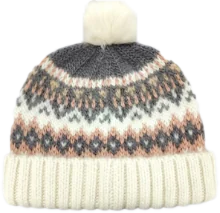
Knit Accessories
Beanies, earflap hats, scarves and neck warmers designed as stand-alone accessories or coordinated with a garment range. Match yarn, colour, stitch, labels and retail packaging across the collection.
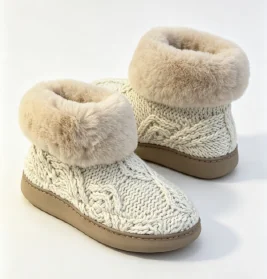
Knit Snow Boots
Knitted-upper winter footwear evaluated as a complete product, including upper structure, lining, reinforcement, outsole and sizing. Cable, rib, jacquard and colour-pattern directions can be developed from an approved specification.
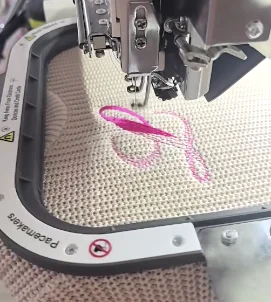
More Possibilities
Compare cotton, polyester, wool, cashmere and common blends alongside gauge, stitch and finishing options. Use this section to prepare a clearer brief before requesting a development quotation.
Your design is the starting point.
CUSTOM KNITWEAR CAPABILITIES
Turn a product idea into a brief a factory can quote.
Rishi Apparel develops made-to-order knitwear for brands, importers and sourcing teams. The practical starting point is not a catalogue number: it is the intended wearer, market, handfeel, price direction, quantity and delivery window. We then review yarn, construction, fit, trims and branding as one production brief.
01
Collection and silhouette
Pullovers, cardigans, knit polos, vests, tops, dresses, sets and seasonal accessories can be evaluated around your target customer and sales channel.
02
Yarn, gauge and construction
Cotton, polyester, wool, cashmere and commercially available blends can be reviewed with stitch structure, weight, drape, warmth, recovery and care expectations. Available directions include 3, 5, 7, 9, 12, 14 and 16 gauge, plus WholeGarment flat-knitting; the final method is reviewed for each style.
03
Design and brand details
Jacquard, intarsia, cable, rib, texture, openwork, embroidery and selected trims can be reviewed with labels, hangtags and packaging supplied or approved by the buyer.
04
Commercial feasibility
MOQ usually starts from 100 pieces per style. Yarn and colour minimums, size breakdown, construction complexity and delivery window are checked before price and timing are confirmed.
Choose the capability page that matches your first product direction.
Each collection category has a different starting brief. Use the relevant page to see the silhouettes, buyer questions and information that make quotation and sampling more efficient.
Men's Knitwear
Core sweaters, cardigans, knit polos, vests, half-zips and seasonal statement pieces for branded and wholesale programs.
Women's Knitwear
Commercial essentials, lightweight tops, cardigans, dresses, skirts and coordinated sets developed around fit, drape and handfeel.
Kids' Knitwear
Baby and children’s knitwear built to the buyer’s size chart, material direction, label requirements and approved artwork.
Knit Accessories
Beanies, scarves and neck warmers developed alone or as coordinated extensions of a garment collection.
Knitted Footwear Programs
Knitted-upper snow-boot programs require review of the full product specification, not only the visible knit surface.
How a buyer brief becomes a development plan.
Clear inputs reduce preventable sampling loops. The sequence below gives both sides a shared reference point before materials and workmanship are confirmed.
STEP 01
Share the direction
Send a tech pack, authorised sample, reference image, sketch or an early product idea.
STEP 02
Add commercial context
Include target market, quantity by style and colour, size range, target price direction and required delivery date.
STEP 03
Review the build
Yarn, construction, measurements, trims, labels and packaging are reviewed before sample work is confirmed.
STEP 04
Approve before bulk
Bulk planning follows approval of the sample, measurements, colours, workmanship and packing requirements.
Commercial checkpoints before sampling
Make your product brief easier to quote.
These guides help your team decide what to send before a custom knitwear inquiry. They also explain the trade-offs behind MOQ, sampling and development choices.
START WITH YOUR FIRST STYLE
Tell us what the garment needs to achieve.
We reply within 12 working hours. Send the reference, quantity and target market; the next step is a practical production review, not an off-the-shelf quotation.
MADE TO ORDER, NOT STOCK
A custom product range built around your brief.
Our collection pages are manufacturing references for B2B buyers. Select a direction, then specify your target market, yarn, gauge, colours, size chart, branding, quantity and delivery window. We evaluate each style before confirming price and timing.
01
Product coverage
Men’s, women’s and children’s sweaters, cardigans, polos, vests, dresses and sets, plus knitted hats, scarves and selected snow-boot programs.
02
Yarns and gauges
Common cotton, polyester, wool and cashmere options can be evaluated. Gauge and yarn selection are reviewed against silhouette, weight, stitch definition, handfeel and target price.
03
Knit and surface techniques
Jacquard, intarsia, cable, rib, texture, openwork, embroidery and selected trims are reviewed against construction and care needs.
04
Order planning
100 pieces per style is the usual starting point. Colour minimums, repeat programs and larger-volume pricing are reviewed against yarn, complexity and delivery window.
How to use this product catalogue.
Are these products available from stock?
No. Every order is developed for the buyer. Images demonstrate categories and techniques that can be adapted to your own brief.
Can we change the yarn, colour and fit?
Yes. Yarn, gauge, colour, measurements, branding, labels and packaging can be adjusted after technical evaluation.
Do we need a complete tech pack?
A tech pack is ideal, but you can begin with a sample, sketch or reference image and explain your target quantity and market.
Which gauge should we choose?
The right gauge depends on yarn count, garment weight, transparency, drape and stitch definition. We review the construction rather than selecting gauge from appearance alone.
How should we plan order quantity?
Start with quantity by style and colour. The usual MOQ is 100 pieces per style, while yarn and colour minimums can affect the most efficient breakdown.
Continue your research: custom knitwear products · OEM / ODM process · factory and quality control · buyer insights
Plan a custom knitwear brief
Our usual starting point is 100 pieces per style. Sampling is typically 7–15 days and approved bulk production is normally 15–30 days, subject to yarn, construction, trims and approval timing. Start with a product reference, quantity plan and target market.