
OEM knitwear manufacturing is usually the better route when your brand already controls the design and knitwear tech pack. ODM is more suitable when you need the factory to help turn a reference, direction or early idea into a manufacturable style. Many real projects are hybrid: the buyer owns the brand and target, while the factory supports yarn, construction and sampling decisions.
What does OEM mean in knitwear?
In an OEM project, the buyer supplies the product direction and normally controls the design. The starting information may include a tech pack, measurements, artwork, yarn specification, colour standards, labels, packaging and testing requirements. The manufacturer reviews feasibility, develops samples and produces against the approved specification.
OEM does not mean the factory should follow every drawing without technical discussion. Knitwear behaviour depends on yarn, stitch structure, gauge, tension, garment shape and finishing. A responsible development team should flag conflicts and confirm what must change before production.
What does ODM mean in knitwear?
In an ODM project, the buyer may begin with a mood board, reference garment, market direction or required product category rather than a complete specification. The manufacturer provides more development input—for example, recommending a workable yarn direction, interpreting a construction, adjusting proportions or preparing an initial sample.
The term “ODM” is used differently by different suppliers. Confirm who creates the design, who owns the final files, what is included in sampling and whether any development is exclusive. These points should be written into the commercial agreement rather than assumed from the label “ODM.”
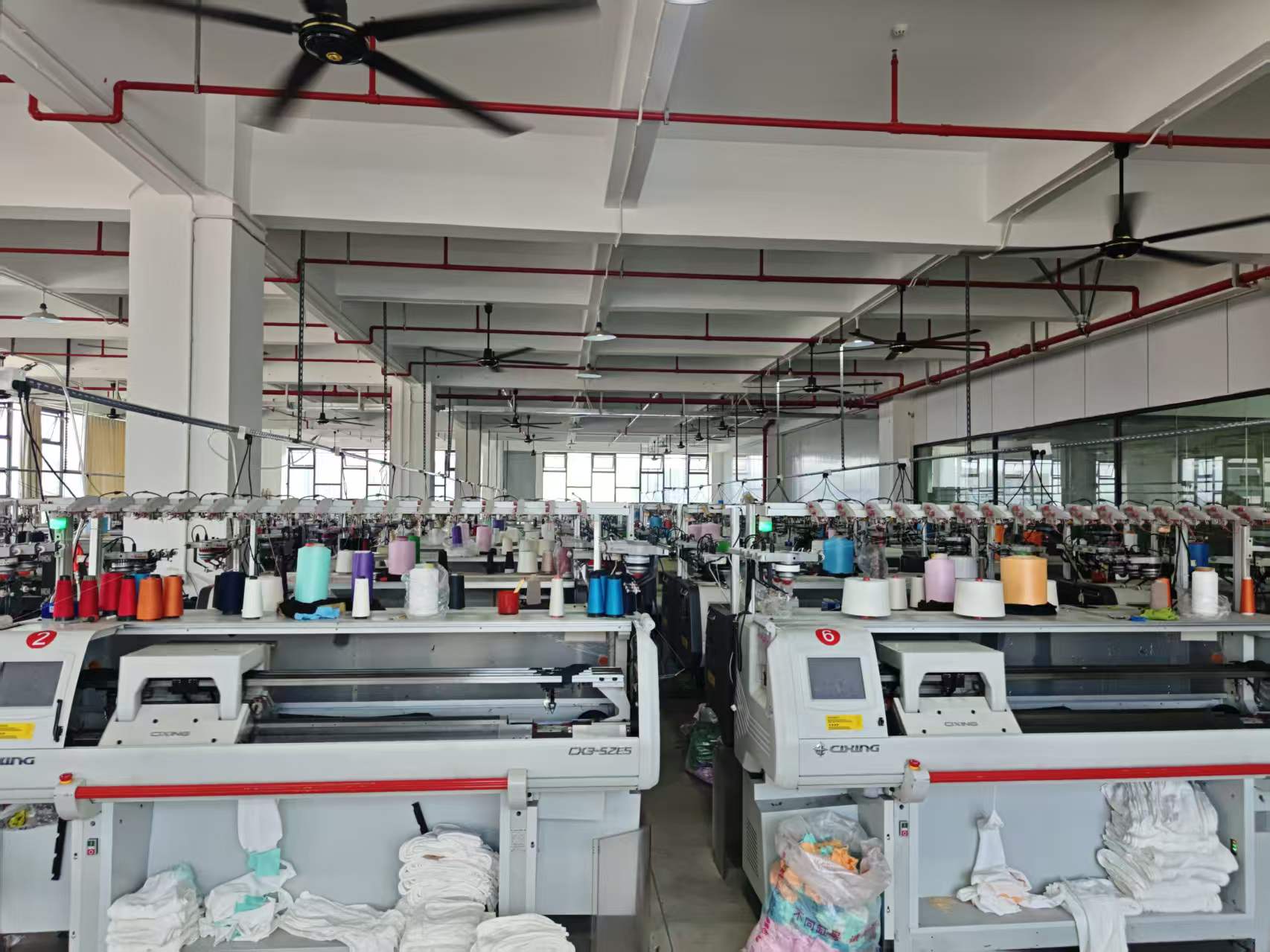
OEM vs ODM knitwear manufacturing: practical comparison
| Decision area | OEM | ODM |
|---|---|---|
| Typical starting point | Tech pack, sample or detailed specification | Reference, mood board, idea or product direction |
| Buyer control | High control over design and specification | Buyer controls brand and target; development input is shared |
| Factory role | Feasibility, sampling and production execution | More interpretation and product-development support |
| Buyer workload | More preparation before sampling | More decisions during development |
| Best suited to | Established product team or repeat style | Brand needing help to turn a direction into a sample |
| Main risk | Specification may conflict with knit construction | Roles, ownership and expected output may be unclear |
How should a fashion brand choose?
Choose an OEM-led route when:
- Your measurements, artwork and construction are already defined.
- You need consistent execution across repeat orders.
- Your product team wants to approve every material and trim decision.
- You have buyer-specific labelling, packaging or testing requirements.
Choose an ODM-led route when:
- You have a market concept but not a complete tech pack.
- You need help selecting a realistic yarn and knit construction.
- You want to adapt a reference into your colour, fit and branding direction.
- Your team can give timely feedback during sampling.
If you are unsure, send your current files rather than trying to classify the project first. The amount of development support can be agreed after a feasibility review.
Most custom knitwear projects are a hybrid
A buyer may provide the silhouette, branding and measurements but ask the factory to recommend yarn alternatives. Another buyer may bring a reference sample but require a new stitch pattern and fit. These are normal hybrid cases.
What matters is not the label. Define deliverables, approval points and responsibilities. A clear brief states what is fixed, what can be proposed and who makes the final decision.
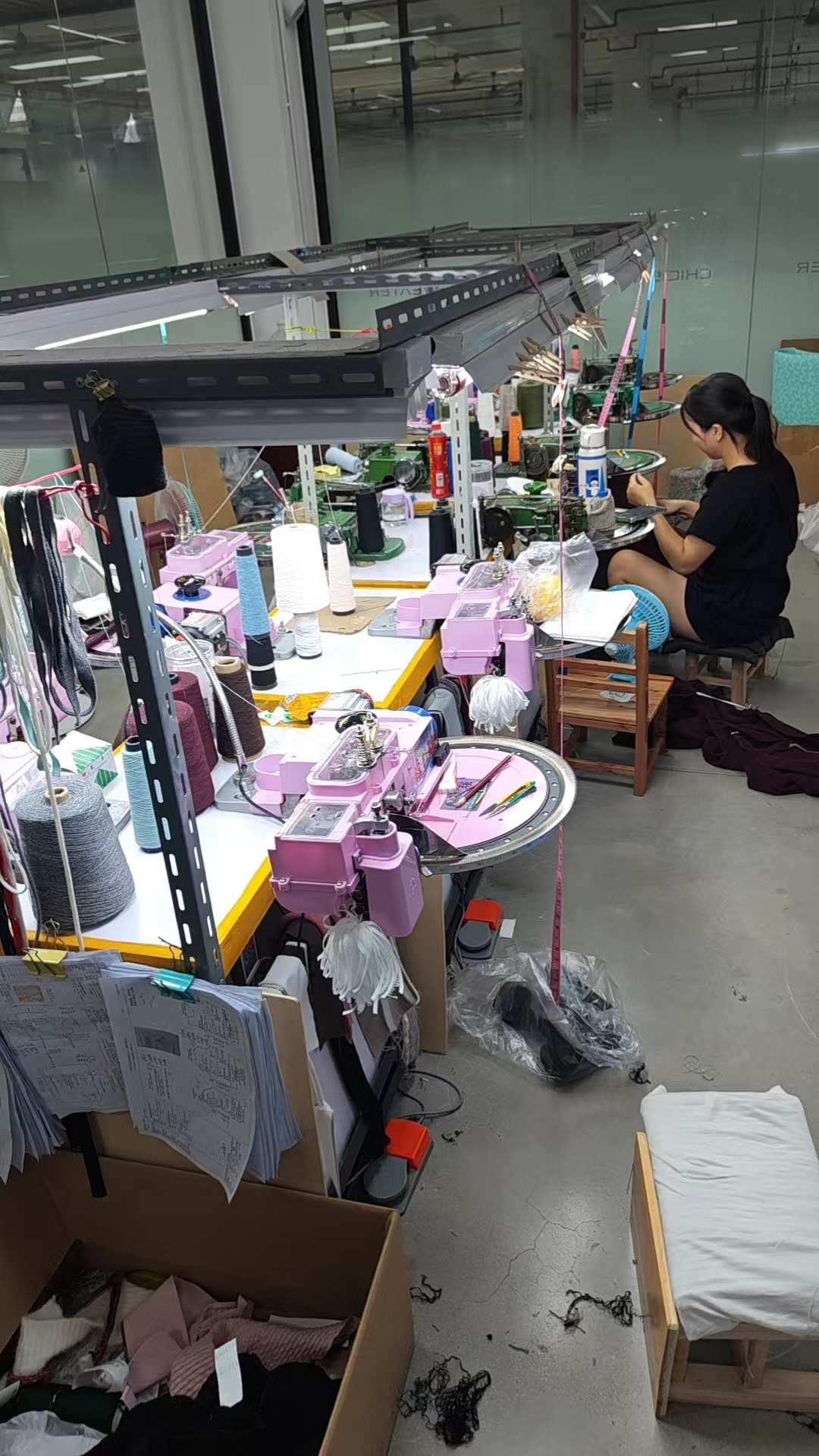
A typical development process
- Project review: style, quantity, market, timing and missing information are checked.
- Material and construction alignment: yarn direction, structure, colour and trims are evaluated.
- Sampling: a sample is made for fit, appearance and workmanship review. Sampling is typically 7–15 days.
- Comments and revision: changes are recorded against measurements, photos and specifications.
- Approval: the buyer confirms the sample and order details controlling bulk.
- Bulk production: approved orders are normally completed in 15–30 days, subject to materials, construction and final conditions.
- Inspection and packing: workmanship, measurements, finishing and buyer-defined packing are checked.
Rishi Apparel is a made-to-order B2B knitwear manufacturer in Dalang, Dongguan. We support OEM and ODM development for fashion brands, importers and wholesalers; we do not operate as a ready-stock wholesaler. Read the sampling process guide to see how development decisions move toward approval.
Questions to ask before selecting a supplier
- What information is required before sampling starts?
- Which design and technical tasks are included in the sample charge?
- How are revisions recorded and approved?
- Who owns buyer-supplied artwork and the approved specification?
- How is MOQ calculated for styles, colours and sizes?
- Which testing, documentation and inspection standards must the buyer specify?
- What assumptions are included in the quotation?
For a better first message, use our custom knitwear quote checklist. You can also review the factory and quality workflow and product capabilities.
Frequently asked questions
Is a tech pack required for OEM?
It is the clearest starting point, but a detailed reference sample and supporting information can also be reviewed. Missing specifications must be confirmed before a reliable quotation and bulk approval.
Can ODM styles carry my private label?
Private labels and custom packaging can be included. Confirm artwork, placement, dimensions and market-specific labelling requirements during development.
Does ODM mean I can skip approvals?
No. The buyer still needs to approve fit, colour, material, workmanship, labels, packing and commercial terms before bulk production.
What is the usual starting MOQ?
Rishi Apparel usually starts from 100 pieces per style. Yarn, colour, construction, trims and size fragmentation can affect the breakdown. See our MOQ guide.
Can an existing sample be modified?
Yes, if you clearly identify which features are references and which need to change. Buyers are responsible for ensuring they have the right to use supplied designs and artwork.
Not sure whether your project is OEM or ODM?
Send your tech pack, reference or idea. We will review what is defined and what needs development before sampling.